Arde Penangkal Petir: Risiko 2x Lebih Tinggi Tanpa Proteksi Ini

arde penangkal petir risiko 2x lebih tinggi tanpa proteksi ini artikel plasma group indonesia hubungi 081997542715

Arde Penangkal Petir Risiko 2x Lebih Tinggi Tanpa Proteksi Ini

Sambaran petir bukanlah fenomena yang bisa diremehkan. Setiap tahunnya, ribuan kerusakan dan kecelakaan terjadi akibat sistem proteksi petir yang tidak memadai. Salah satu komponen vital dalam sistem ini adalah arde penangkal petir. Meski terlihat sederhana, fungsi arde sangat menentukan keberhasilan sistem penangkal petir dalam melindungi bangunan dan manusia di sekitarnya.

Artikel ini akan membahas secara detail mengenai pentingnya arde penangkal petir, risiko yang bisa muncul jika tidak dipasang dengan benar, serta cara memastikan sistem arde Anda berfungsi optimal.

Apa Itu Arde Penangkal Petir?

Fungsi Utama Arde dalam Sistem Penyalur Petir

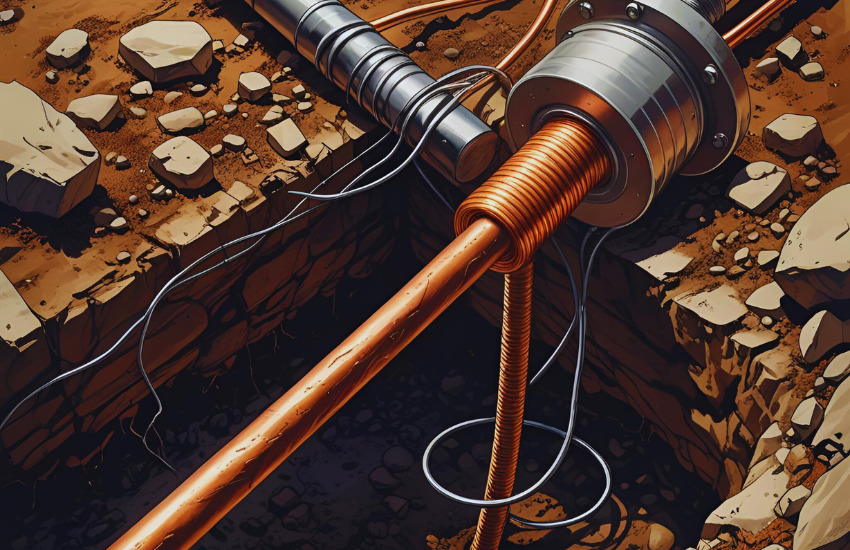
Arde penangkal petir adalah sistem pembumian yang bertugas mengalirkan energi sambaran petir ke dalam tanah secara aman. Saat petir menyambar penangkal, arde menjadi jalur terakhir yang memastikan energi tidak masuk ke dalam instalasi listrik atau merambat ke bagian bangunan.

Tanpa arde yang baik, sistem proteksi petir menjadi tidak lengkap. Justru alih-alih terlindungi, bangunan akan lebih berisiko karena arus petir bisa mencari jalur lain yang berbahaya, seperti kabel listrik, pipa logam, atau bahkan melalui struktur bangunan.

Risiko 2x Lebih Tinggi Tanpa Arde Penangkal Petir

1. Risiko Kebakaran

Jika tidak ada arde penangkal petir, arus listrik dari sambaran petir tidak memiliki jalur pembumian yang aman. Arus ini bisa menimbulkan lonjakan tegangan tinggi di sistem listrik, yang berpotensi memicu kebakaran, terutama jika mengenai material mudah terbakar seperti kabel, plastik, atau bahan insulasi.

2. Risiko Kerusakan Peralatan Elektronik

Semua perangkat elektronik di dalam rumah seperti TV, AC, kulkas, dan komputer yang berisiko rusak jika sistem arde tidak bekerja. Sambaran petir dapat menyebabkan overvoltage, dan tanpa arde penangkal petir, lonjakan tersebut akan langsung mengenai peralatan dan merusaknya seketika.

3. Risiko Kesetrum dan Cedera

Salah satu risiko paling fatal dari sistem tanpa arde penangkal petir adalah kemungkinan seseorang tersetrum. Ketika petir menyambar, tanpa pembumian yang baik, arus dapat berpindah ke rangka logam bangunan atau peralatan listrik yang disentuh oleh manusia.

4. Risiko Kegagalan Sistem Proteksi

Sistem penangkal petir dirancang bekerja secara menyeluruh dari ujung terminal udara (splitzen), konduktor penyalur, hingga grounding atau arde. Tanpa arde, sistem tidak akan bisa mengalirkan muatan listrik dengan sempurna ke tanah, membuatnya gagal total saat terjadi sambaran petir.

Kenapa Arde Penangkal Petir Wajib Dipasang?

Standar Nasional dan Internasional

Pemasangan arde penangkal petir bukan hanya anjuran, tapi keharusan menurut standar nasional seperti SNI 03-7015-2004 dan standar internasional seperti IEC 62305. Kedua standar ini menetapkan bahwa sistem penangkal petir harus terhubung ke sistem pembumian yang memiliki resistansi rendah, umumnya di bawah 10 Ohm.

Perlindungan Menyeluruh

Bangunan modern penuh dengan perangkat elektronik dan sistem komunikasi. Arde penangkal petir yang baik akan melindungi seluruh sistem ini dari gangguan akibat petir, sekaligus mencegah kerusakan fisik pada struktur bangunan.

Ciri-Ciri Arde Penangkal Petir yang Baik

Untuk memastikan perlindungan maksimal, berikut adalah beberapa ciri arde penangkal petir yang ideal:

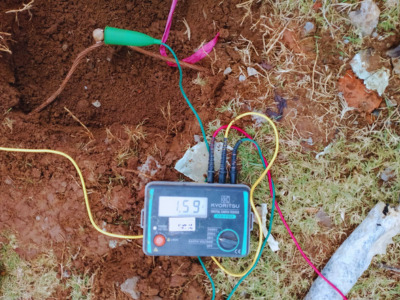
  • Resistansi Tanah Rendah: Nilai tahanan tanah idealnya <10 Ohm, atau bahkan <5 Ohm untuk area dengan risiko tinggi.

  • Material Berkualitas: Menggunakan batang tembaga, konduktor BC, atau pipa galvanis yang tahan terhadap korosi.

  • Pemasangan yang Benar: Penempatan batang grounding cukup dalam (2–3 meter atau lebih) dan menggunakan sistem sambungan kuat serta tahan lama.

  • Dilengkapi dengan Terminal Pengukuran: Agar resistansi bisa diukur secara berkala menggunakan earth tester.

Bagaimana Jika Sistem Arde Tidak Memadai?

Banyak bangunan yang sudah memiliki arde penangkal petir, namun kualitasnya tidak memadai. Beberapa masalah umum yang sering ditemukan antara lain:

  • Resistansi tanah terlalu tinggi

  • Sambungan longgar atau berkarat

  • Tidak adanya pengukuran berkala

  • Tidak terhubung dengan sistem proteksi internal bangunan

Dalam kondisi seperti itu, bangunan tetap berada dalam bahaya seolah tidak memiliki arde sama sekali. Inilah sebabnya mengapa pemeriksaan rutin sangat penting dilakukan.

Tips Meningkatkan Efektivitas Arde Penangkal Petir

Berikut beberapa langkah untuk meningkatkan keandalan arde penangkal petir Anda:

1. Gunakan Grounding Enhancement Material (GEM)

Material ini membantu menurunkan resistansi tanah secara signifikan, bahkan di daerah berbatu atau kering. GEM seperti “Plasma Gem” sudah terbukti efektif dan memiliki nilai tahanan rendah secara konsisten.

2. Perluas Area Grounding

Menggunakan lebih dari satu batang grounding (multi rod) yang dihubungkan secara paralel dapat memperluas area kontak dengan tanah, dan menurunkan resistansi total sistem arde penangkal petir.

3. Lakukan Pengukuran Rutin

Gunakan alat seperti earth resistance tester untuk mengukur nilai tahanan tanah minimal setahun sekali, terutama sebelum dan sesudah musim hujan.

4. Pastikan Integrasi dengan Sistem Proteksi Internal

Grounding harus terhubung dengan sistem penangkal petir eksternal dan juga dengan grounding sistem listrik internal agar proteksi menyeluruh bisa tercapai.


Arde Penangkal Petir dan Perlindungan Nyata

Fakta menunjukkan bahwa arde penangkal petir bukan sekadar komponen teknis, tapi perlindungan nyata bagi kehidupan, aset, dan struktur bangunan. Ketika sambaran petir datang dengan energi jutaan volt, hanya sistem pembumian yang tepatlah yang mampu mengalirkannya tanpa menimbulkan kerusakan.

Tanpa sistem arde, risiko kerugian bisa meningkat dua kali lipat, baik dari segi materi, keselamatan jiwa, maupun potensi downtime sistem yang kritis.

Jadi, apa akibatnya jika bangunan tidak memiliki arde penangkal petir yang memadai? Jawabannya adalah risiko kerusakan dan kecelakaan bisa 2x lebih tinggi. Dari kebakaran, peralatan elektronik rusak, hingga potensi kehilangan nyawa, semua bisa terjadi akibat kelalaian memasang sistem grounding yang benar.

Dengan memastikan bahwa sistem arde penangkal petir terpasang dengan benar dan diperiksa secara berkala, Anda sudah mengambil langkah penting dalam melindungi bangunan dan orang-orang di dalamnya.

Ingat, proteksi terhadap petir dimulai dari bawah, dari tanah dan sistem arde adalah fondasinya.

arde penangkal petir risiko 2x lebih tinggi tanpa proteksi ini artikel plasma group indonesia hubungi 081997542715

Ingin tahu lebih lanjut tentang arde penangkal petir, maupun info solusi proteksi petir lainnya?
Kunjungi www.plasmacurrent.id atau hubungi kami di 0819-9754-2715

What is The IEC Standard for Lightning Protection?

what is the iec standard for lightning protection a complete guide plasma group indonesia

what is the iec standard for lightning protection

What is The IEC Standard for Lightning Protection? A Complete Guide

Lightning is a powerful natural phenomenon that can cause devastating damage to buildings, infrastructure, and electronic systems. To mitigate these risks, international standards have been established to guide engineers, designers, and builders in protecting structures from lightning strikes. One of the most widely recognized guidelines is the IEC standard for lightning protection. So, what is the IEC standard for lightning protection, and why is it important?

What is the IEC?

Before diving into the lightning protection specifics, it’s important to understand the organization behind the standards. IEC stands for International Electrotechnical Commission, a global body that prepares and publishes international standards for all electrical, electronic, and related technologies. Their standards are used in over 170 countries to ensure safety, reliability, and performance.

What is the IEC Standard for Lightning Protection?

The IEC standard for lightning protection is officially known as the IEC 62305 series. This standard outlines the principles, design considerations, and methods for protecting people, buildings, and electrical equipment from the effects of lightning.

So, what is the IEC standard for lightning protection exactly? It’s a comprehensive, four-part framework that addresses everything from risk assessment to the installation of protection systems. Let’s break it down.

The IEC 62305 Series: A Four-Part Standard

1. IEC 62305-1: General Principles

This part defines the scope, terms, and basic concepts of lightning protection. It includes definitions of different types of lightning (direct strike, induced voltage, etc.) and introduces the types of protection measures.

Key takeaway: It establishes a foundation for understanding the rest of the standard.

2. IEC 62305-2: Risk Management

This part focuses on evaluating the risk associated with lightning strikes and determining whether protection is necessary. It uses parameters like:

  • Number of thunderstorm days per year (Ng)

  • Type of structure and occupancy

  • Possible damage to property or human life

Risk calculations help decide if a lightning protection system (LPS) is needed, and if so, to what level.

Why it matters: Not every structure requires the same level of protection. A hospital may need a higher class of protection than a farm building.

3. IEC 62305-3: Physical Damage to Structures and Life Hazard

This section deals with external lightning protection systems, including:

  • Air termination systems (lightning rods)

  • Down conductors

  • Earth termination systems

It also covers safety distances to prevent dangerous sparking between conductors and metallic parts.

What is the IEC standard for lightning protection in buildings? Part 3 provides detailed design rules for protecting structures and their occupants from physical lightning damage.

4. IEC 62305-4: Electrical and Electronic Systems Within Structures

Part 4 deals with the internal aspects of protection—how to safeguard electrical and electronic systems from surges caused by lightning.

This includes:

  • Surge protection devices (SPDs)

  • Shielding and bonding

  • Cable routing best practices

If your building has sensitive electronics, this part is essential.

Protection Levels: Class I to IV

Another important aspect of the IEC lightning protection standard is the classification system. Based on the risk level, the building or structure will be assigned to one of four Lightning Protection Levels (LPL):

  • LPL I: Highest protection level (for very critical facilities)

  • LPL II

  • LPL III

  • LPL IV: Basic level (for low-risk structures)

Each level corresponds to a set of design parameters including rolling sphere radius, mesh size, and protection angle.

Understanding what is the IEC standard for lightning protection involves knowing how these classes influence the design of an LPS.

External vs. Internal Lightning Protection

The IEC 62305 standard separates protection into two main categories:

✔ External Protection:

  • Captures lightning via rods or mesh conductors

  • Safely conducts current through down conductors

  • Dissipates current into the ground via earthing systems

✔ Internal Protection:

  • Prevents overvoltages and side flashes

  • Uses equipotential bonding and surge protection devices

Together, they form a comprehensive lightning protection system as per IEC guidelines.

Common Design Methods Based on IEC

When implementing the IEC standard, engineers may use one or more of the following design methods:

  • Rolling Sphere Method (RSM) – Based on the electro-geometrical concept

  • Protective Angle Method – Uses an angle drawn from the top of air terminals

  • Mesh Method – Commonly used on flat roofs and large structures

These methods are described in detail in IEC 62305-3, helping engineers determine the right layout of air terminals and conductors.

Why is the IEC Standard for Lightning Protection Important?

If you’re wondering what is the IEC standard for lightning protection and why you should follow it, here’s why it matters:

  1. Global Acceptance – Used in most countries as a benchmark

  2. Risk-Based Design – Helps balance protection with cost

  3. Life Safety – Reduces the risk of injury or death due to lightning

  4. Asset Protection – Safeguards buildings, electronics, and data

  5. Compliance – Aligns with legal and insurance requirements

Ignoring the standard may expose you to serious legal liabilities and technical failures.

Is IEC 62305 Mandatory?

In many countries, IEC 62305 is not law, but it is adopted into national standards (such as BS EN 62305 in the UK or SNI IEC 62305 in Indonesia). Building codes or insurance requirements may refer to this standard for compliance.

Even when not mandatory, following IEC 62305 is considered best practice.

Tools and Software for IEC-Based Design

Several software tools help engineers apply IEC 62305:

  • ETAP

  • XGSLab

  • DEHNsupport Toolbox

  • StrikeRisk

These tools automate risk assessment and design layouts based on the IEC rules.

So, what is the IEC standard for lightning protection? It is a comprehensive, globally recognized framework that helps you design safe, efficient, and reliable systems to protect structures and lives from the dangers of lightning. Whether you’re protecting a residential building, a commercial facility, or an industrial site, IEC 62305 is your guide to doing it right.


Frequently Asked Questions (FAQs)

Q: Do all buildings need to follow the IEC lightning protection standard?
A: Not necessarily. IEC 62305-2 helps assess the risk and determine whether protection is required.

Q: Can I use other standards like NFPA 780?
A: Yes, but IEC 62305 is more widely adopted globally, especially in Europe and Asia.

Q: How often should a lightning protection system be inspected?
A: According to IEC 62305, inspections should be performed annually or after any significant lightning event.

what is the iec standard for lightning protection a complete guide plasma group indonesia

Do you want to know information about what is the iec standard for lightning protection? or another information about lightning protection systems?
Visit www.plasmacurrent.id or contact us at 0819-9754-2715

7 Hal Yang Wajib Dicek Sebelum Pasang Penangkal Petir

7 hal yang wajib dicek sebelum pasang penangkal petir plasma group indonesia plasma current plasma gem plasma splitzen jasa penangkal petir hubungi 081997542715

7 hal yang wajib dicek sebelum pasang penangkal petir

Pemasangan sistem penangkal petir bukanlah hal yang bisa dilakukan sembarangan. Proteksi terhadap sambaran petir membutuhkan perencanaan matang, pemilihan material yang sesuai, serta pemahaman terhadap struktur bangunan dan kondisi lingkungan sekitarnya. Dalam artikel ini, kita akan membahas 7 hal yang wajib dicek sebelum pasang penangkal petir agar sistem bekerja optimal dan memberikan perlindungan maksimal terhadap bangunan dan penghuninya.

1. Jenis Bangunan dan Fungsinya

Hal pertama yang wajib dicek sebelum pasang penangkal petir adalah jenis bangunan dan fungsi utamanya. Bangunan dengan fungsi publik seperti sekolah, rumah sakit, pabrik, gudang, hingga menara telekomunikasi memiliki tingkat risiko berbeda dibanding rumah tinggal biasa. Bangunan tinggi dan yang memiliki peralatan elektronik sensitif umumnya lebih rentan terhadap kerusakan akibat petir.

Selain itu, perhatikan pula apakah bangunan berada di area terbuka atau dikelilingi struktur lain yang lebih tinggi. Hal ini menentukan tinggi tiang penangkal petir serta luas area perlindungannya. Jangan sampai pemasangan penangkal petir dilakukan tanpa mempertimbangkan karakteristik fisik dan fungsi bangunan tersebut.

2. Lokasi Geografis dan Tingkat Kerawanan Petir

Hal yang wajib dicek sebelum pasang penangkal petir berikutnya adalah lokasi geografis bangunan. Beberapa wilayah di Indonesia memiliki tingkat kerapatan sambaran petir yang tinggi seperti Bogor, Jakarta, Depok, Tangerang, Bekasi, dan Sumatera bagian timur. Menurut data Badan Meteorologi, Klimatologi, dan Geofisika (BMKG), intensitas petir bisa mencapai ribuan sambaran per kilometer persegi dalam setahun.

Mengetahui peta kerawanan petir di lokasi proyek sangat penting agar bisa menentukan level proteksi yang diperlukan. Jika lokasi masuk kategori sangat rawan, maka sistem proteksi petir aktif dengan jangkauan luas seperti Early Streamer Emission (ESE) mungkin lebih tepat dibanding konvensional.

3. Struktur dan Material Bangunan

Sebelum pemasangan sistem penangkal petir, Anda juga perlu mengecek struktur dan material bangunan. Ini adalah hal yang wajib dicek sebelum pasang penangkal petir karena jenis atap (misalnya dari logam atau genteng keramik), konstruksi beton bertulang, serta adanya tiang logam dapat mempengaruhi penempatan komponen sistem.

Contohnya, bangunan dengan atap seng bisa berperan sebagai konduktor alami sehingga mengurangi kebutuhan kabel tambahan, namun tetap memerlukan sistem proteksi eksternal yang terhubung ke grounding. Selain itu, instalasi grounding tidak bisa dilakukan sembarangan di bangunan bertingkat banyak atau di atas dak beton tanpa perhitungan teknis yang tepat.

4. Sistem Grounding dan Resistansi Tanah

Dalam sistem penangkal petir, grounding adalah komponen kunci. Maka dari itu, hal yang wajib dicek sebelum pasang penangkal petir keempat adalah sistem pentanahan dan resistansi tanah. Fungsi grounding adalah menyalurkan arus petir secara aman ke tanah agar tidak merusak struktur bangunan atau perangkat elektronik.

Idealnya, nilai resistansi tanah harus di bawah 5 Ohm, atau lebih rendah jika mengacu pada standar tertentu seperti IEEE atau SNI. Di daerah dengan tanah berbatu, kering, atau berbasis pasir, nilai resistansi tanah cenderung tinggi sehingga dibutuhkan metode peningkatan tanah seperti Grounding Enhancement Material (GEM), penggunaan chemical rod, atau sistem jaring grounding yang lebih luas.

Sebelum instalasi, lakukan pengukuran resistansi tanah menggunakan earth tester untuk memastikan efektivitas sistem pentanahan.

5. Jenis Sistem Penangkal Petir yang Akan Digunakan

Ada dua tipe utama sistem penangkal petir: sistem konvensional (Franklin rod) dan sistem aktif (ESE). Menentukan jenis sistem ini merupakan hal yang wajib dicek sebelum pasang penangkal petir karena akan berpengaruh pada desain, luas cakupan proteksi, dan biaya instalasi.

Sistem konvensional cocok untuk proteksi skala kecil dan area bangunan rendah. Sementara sistem aktif ESE dirancang untuk jangkauan perlindungan yang lebih luas, lebih efisien untuk gedung tinggi, lapangan terbuka, atau fasilitas industri. Pemilihan ini juga berkaitan dengan pertimbangan teknis seperti estetika bangunan dan kemampuan perawatan jangka panjang.

6. Kebutuhan Proteksi Internal (SPD dan Arrester Tambahan)

Selain proteksi eksternal, hal yang wajib dicek sebelum pasang penangkal petir adalah apakah dibutuhkan sistem proteksi internal. Surge Protection Device (SPD) atau arrester panel harus dipasang untuk melindungi jaringan listrik internal, terutama peralatan elektronik seperti komputer, CCTV, sistem alarm, dan mesin industri.

Petir tidak selalu menyebabkan kerusakan secara langsung melalui sambaran, tapi bisa menyebabkan lonjakan tegangan yang merambat lewat kabel listrik atau jaringan komunikasi. Oleh karena itu, sistem proteksi petir yang andal harus mencakup proteksi internal di titik masuk panel utama dan sub-panel.

7. Tenaga Ahli dan Sertifikasi Pemasangan

Terakhir, hal yang wajib dicek sebelum pasang penangkal petir adalah siapa yang akan mengerjakan sistem tersebut. Instalasi penangkal petir bukan pekerjaan yang bisa dilakukan tukang bangunan biasa. Anda harus menggunakan jasa kontraktor atau teknisi yang berpengalaman, bersertifikasi, dan memahami standar kelistrikan seperti SNI 03-7015-2004, PUIL 2011, dan standar internasional IEC 62305.

Pastikan perusahaan jasa penangkal petir yang Anda pilih memiliki dokumen legalitas lengkap, seperti sertifikat tenaga ahli, dokumen kontrak kerja, laporan pengujian resistansi tanah, dan berita acara serah terima. Dengan demikian, sistem yang dipasang bukan hanya berfungsi secara teknis, tapi juga legal dan dapat dipertanggungjawabkan.

Melindungi bangunan dari bahaya sambaran petir memerlukan lebih dari sekadar memasang tiang logam di atas atap. Ada banyak aspek yang perlu diperhatikan agar sistem berfungsi dengan maksimal. Mulai dari karakteristik bangunan, kondisi tanah, jenis sistem, hingga pemilihan teknisi, semuanya merupakan hal yang wajib dicek sebelum pasang penangkal petir.

Mengabaikan satu saja dari tujuh poin di atas dapat berakibat fatal: sistem tidak bekerja optimal, biaya sia-sia, atau bahkan membahayakan penghuni. Oleh karena itu, selalu lakukan survei teknis dan perencanaan yang matang sebelum eksekusi pemasangan.

Jika Anda membutuhkan konsultasi lebih lanjut atau jasa pemasangan profesional, Anda bisa menghubungi tim ahli dari Plasma Current di nomor WhatsApp 0819-9754-2719. Kami siap membantu memastikan semua hal yang wajib dicek sebelum pasang penangkal petir terpenuhi, demi keamanan dan kenyamanan Anda.

7 hal yang wajib dicek sebelum pasang penangkal petir plasma group indonesia plasma current plasma gem plasma splitzen jasa penangkal petir hubungi 081997542715

Ingin tahu lebih lanjut tentang 7 hal yang wajib dicek sebelum pasang penangkal petir, maupun info solusi proteksi petir lainnya?
Kunjungi www.plasmacurrent.id atau hubungi kami di 0819-9754-2715

Aircraft Lightning Protection: Key to Flight Safety

how does lightning protection contribute to overall aircraft safety plasma group indonesia article plasma current plasma gem splitzen plasma contact us at 6281997542715

aircraft lightning protection plasma group indonesia plasma current

When it comes to aviation, safety is everything. Among the many hazards aircraft face during flight, lightning strikes are one of the most common — and potentially dangerous. Every commercial aircraft is struck by lightning approximately once every 1,000 flight hours, according to the Federal Aviation Administration (FAA). Fortunately, most of these strikes do not result in accidents thanks to one critical technology: aircraft lightning protection. But how exactly does this system contribute to overall aircraft safety? And why is aircraft lightning protection considered a key to flight safety?

This article explores the importance, function, and impact of lightning protection systems in modern aircraft, and how they ensure safe skies for passengers and crew alike.

⚡ What Happens When Lightning Strikes an Aircraft?

Lightning typically strikes the extremities of an aircraft — like the wing tips, nose, or tail — and exits through another extremity. While this may sound alarming, the aircraft is designed to conduct the electrical charge safely along its outer structure without affecting the internal systems or harming passengers.

However, without a dedicated aircraft lightning protection system, the strike could severely damage electrical systems, flight controls, or ignite fuel vapors — a catastrophic scenario. This is why incorporating aircraft lightning protection is a regulatory and engineering priority in the aviation industry.

🛡️ How Aircraft Lightning Protection Works

Modern aircraft lightning protection consists of multiple integrated components designed to safely redirect, absorb, and dissipate electrical energy from lightning. The system includes:

1. Conductive Skin and Materials

Most aircraft are made with aluminum — a natural conductor — which allows lightning current to flow across the surface without penetrating the fuselage. For composite aircraft (e.g., carbon fiber), conductive mesh or foil is embedded to maintain this protective function.

2. Lightning Diverter Strips

Found on non-metallic surfaces such as radomes, these strips direct electrical currents away from sensitive equipment.

3. Bonding and Grounding

All components — including fuel lines, doors, panels, and antennas — are electrically bonded to prevent voltage differences, ensuring a uniform current path and reducing the risk of arcing or sparks.

4. Shielded Wiring Systems

Wiring within the aircraft is shielded and routed to avoid interference with flight control or communication systems during a lightning strike.

By integrating these elements, aircraft lightning protection ensures that the energy from lightning never reaches critical systems or enters the cabin.

🧪 Testing and Certification

To be certified for flight, all aircraft must pass rigorous lightning protection tests. Aviation authorities such as FAA and EASA require compliance with standards like RTCA DO-160 (Environmental Conditions and Test Procedures for Airborne Equipment).

Aircraft manufacturers conduct:

  • Direct strike simulations

  • Indirect effects testing (electromagnetic interference)

  • Structural integrity inspections

These evaluations confirm that the aircraft can withstand a direct lightning strike without compromising safety or performance.

✈️ Why Lightning Protection Is Key to Flight Safety

Aircraft lightning protection is not merely a design feature — it’s an essential safeguard. Here’s why it plays a central role in flight safety:

✅ 1. Prevents Structural Damage

Without protection, lightning could puncture or weaken the airframe. The system ensures that the lightning travels safely over the surface, avoiding direct hits to fuel tanks or pressurized cabins.

✅ 2. Protects Avionics and Electronics

Modern aircraft rely heavily on digital fly-by-wire systems. Any surge could disable navigation, communication, or control systems. Aircraft lightning protection isolates and shields critical circuits from high voltages.

✅ 3. Reduces Fire Hazards

Electrical arcing near fuel lines or inside compartments could cause fires or explosions. The bonding and shielding system within the aircraft lightning protection design eliminates this risk.

✅ 4. Maintains Passenger Comfort and Confidence

When passengers see lightning outside their window, they can feel safe knowing that the aircraft is built to handle it. This psychological comfort is backed by real engineering.

🌐 Innovations in Aircraft Lightning Protection

With newer aircraft designs favoring lightweight composites, lightning protection has become even more sophisticated. Engineers now use:

  • Metalized fiber composites

  • Advanced lightning strike sensors

  • Self-monitoring protection systems

As aviation advances toward electric aircraft and unmanned aerial vehicles (UAVs), developing robust aircraft lightning protection systems will remain a top priority to ensure reliability and safety in the skies.

📊 Aircraft Lightning Protection in Numbers

  • ✈️ Average aircraft struck once every 1,000 flight hours

  • ⚡ Lightning current can reach 200,000 amperes

  • 🛠 Aircraft lightning protection reduces risk of critical failure by over 99.9%

  • 🧩 Testing covers over 100 different strike scenarios for each aircraft type

How does lightning protection contribute to overall aircraft safety? The answer is clear: it is a non-negotiable system that protects passengers, aircraft structure, and flight-critical systems from one of nature’s most powerful forces. With technological improvements and rigorous standards, aircraft lightning protection continues to be a key component of flight safety in both commercial and military aviation.

Whether you’re flying through a storm or gazing at lightning from your window seat, rest assured — your safety is protected by science, design, and decades of aerospace engineering expertise.

aircraft lightning protection how does lightning protection contribute to overall aircraft safety plasma group indonesia article plasma current plasma gem splitzen plasma contact us at 6281997542715

Do you want to know information about aircraft lightning protection, or another information about lightning protection systems?
Visit www.plasmacurrent.id or contact us at 0819-9754-2715

Which Buildings Need Lightning Protection?

which buildings need lightning protection plasma group indonesia plasma current plasma gem plasma splitzen frp mast plasma contact us at +6281997542715

which buildings need lightning protection plasma group plasma current

Lightning strikes are among the most dangerous and unpredictable natural phenomena. Each year, thousands of structures around the world suffer damage due to lightning, resulting in billions of dollars in losses. This raises a critical question for property owners, engineers, and safety officers: which buildings need lightning protection? In this article, we’ll explore the answer and list the top 10 types of buildings that must have lightning protection based on risk factors, structure type, and regulatory standards.

Why Is Lightning Protection Important?

Before we break down the types of buildings at risk, let’s understand why lightning protection is crucial. A single bolt of lightning can carry up to 1 billion volts of electricity, enough to destroy electrical systems, ignite fires, and cause fatalities.

Implementing a lightning protection system (LPS) is not only a safety measure—it’s an investment in securing your infrastructure. The standard IEC 62305 and various national codes provide guidelines for determining which buildings need lightning protection based on risk assessment.

🔟 Top 10 Types of Buildings That Must Have Lightning Protection

1. Tall Buildings and High-Rise Structures

If you’re wondering which buildings need lightning protection, the most obvious answer is tall structures. Height makes them more likely to be struck directly by lightning.

Examples:

  • Skyscrapers

  • Office towers

  • Apartment buildings

Why they need protection: These buildings act as natural attractors and can transfer massive current into internal systems without proper protection.

2. Hospitals and Healthcare Facilities

Critical service buildings like hospitals cannot afford electrical disruptions. Even a short downtime can jeopardize lives.

Why they need protection: Life-saving equipment, patient monitoring systems, and electronic health records rely heavily on consistent power and data flow.

3. Factories and Industrial Plants

One of the most vulnerable types of structures, factories, especially those with tall chimneys or open yards, must not be left unprotected.

Why they need protection: A lightning strike could trigger fire in flammable storage areas, halt production, or destroy costly industrial automation systems.

4. Communication Towers and Data Centers

Towers and data centers house sensitive electronics and play key roles in telecommunications and cloud services.

Why they need protection: These are high-value targets. A direct strike could cause major outages and massive data loss.

5. Schools, Universities, and Public Buildings

Educational institutions often have large campuses with numerous connected structures and host hundreds to thousands of people daily.

Why they need protection: These are gathering points that must be kept safe for public interest. Governments often include them in mandatory protection zones.

6. Airports and Transportation Hubs

Lightning can not only delay flights but also damage runway electronics, control towers, and fuel storage facilities.

Why they need protection: Their sheer size and location in open spaces make them natural lightning targets.

7. Churches, Mosques, and Religious Buildings

Many religious buildings are historic, made of stone, and have tall steeples or domes, increasing their exposure.

Why they need protection: Lightning strikes can destroy priceless architecture or start fires in large congregational spaces.

8. Warehouses and Logistics Centers

Large, flat-roofed facilities used for storage and distribution are often in isolated locations, surrounded by open land.

Why they need protection: A strike can ignite combustible materials or damage goods worth millions in a single incident.

9. Petroleum, Gas, and Chemical Facilities

Facilities dealing with flammable substances are highly sensitive to static discharges and lightning strikes.

Why they need protection: Lightning can lead to explosions, environmental damage, and mass casualties. For these types, protection isn’t optional—it’s mandatory.

10. Residential Buildings in High-Risk Areas

While many assume lightning protection is only for large or commercial structures, homes in lightning-prone regions (like tropical areas) are at risk too.

Why they need protection: Roof-mounted solar panels, antennas, and increasing smart-home technologies mean that even a single strike can cause costly repairs or fire.


⚖️ What Standards Say About Lightning Protection

Standards such as IEC 62305, NFPA 780, and SNI 03-7015-2004 offer comprehensive guidance to determine which buildings need lightning protection based on:

  • Location (Isokeraunic level)

  • Structure height

  • Contents and occupancy

  • Frequency of lightning events

If a building ranks high in risk based on these factors, it must be equipped with:

  • Air terminals (arrester rods)

  • Down conductors

  • Earthing systems (low resistance)

  • Surge protection devices (SPD)


🧠 Expert Tip: Don’t Just Guess—Do a Risk Assessment

Asking yourself which buildings need lightning protection is the first step. But a professional risk assessment will provide measurable data on whether your building:

  • Falls under mandatory protection zone

  • Needs surge protection only or full structural protection

  • Requires grounding enhancement to reduce resistance

🔄 Recap: Top Buildings That Require Lightning Protection

Building Type Risk Level
High-rise Buildings Very High
Hospitals & Healthcare Facilities Very High
Factories & Industrial Plants High
Data Centers & Towers High
Schools & Public Buildings Medium–High
Airports & Transportation Hubs High
Religious Institutions Medium–High
Warehouses & Logistics High
Petroleum/Chemical Facilities Critical
Residential Homes in Storm Zones Medium

✅ Conclusion: Which Buildings Need Lightning Protection?

To summarize, which buildings need lightning protection? The answer includes any structure that is tall, critical, contains sensitive equipment, flammable materials, or serves the public. Even residential homes in storm-prone zones can benefit from a well-installed lightning protection system.

By installing proper protection, you’re not only complying with safety regulations, but also investing in long-term peace of mind.


📞 Need Help with Lightning Protection?

If you’re unsure which buildings need lightning protection in your area or project, consult a professional or visit www.plasmacurrent.id for expert solutions. You can also contact our team via WhatsApp at +62 819-9754-2719 for a free consultation.

which buildings need lightning protection plasma group indonesia plasma current plasma gem plasma splitzen frp mast plasma contact us at +6281997542715

Do you want to know information about which buildings need lightning protection, or another information about lightning protection systems?
Visit www.plasmacurrent.id or contact us at 0819-9754-2715

6 Points from IEC 62305 Lightning Protection Standard

6 points from iec 62305 lightning protection standard plasma group indonesia plasma current contact us at +6281997542715

iec 62305 lightning protection standard

Lightning is one of nature’s most unpredictable and destructive forces, capable of damaging buildings, disabling critical systems, and even threatening lives. To mitigate these risks, professionals across the globe follow international guidelines to design safe and effective protection systems. One of the most comprehensive and widely adopted frameworks is the IEC 62305 Lightning Protection Standard.

The IEC 62305 Lightning Protection Standard provides a systematic approach for assessing risk and implementing lightning protection measures for structures, electrical systems, and people. In this article, we’ll highlight six key points from the IEC 62305 standard that everyone involved in building safety, electrical design, or lightning risk management should understand.

1. Comprehensive Risk Assessment is the Starting Point

The IEC 62305 Lightning Protection Standard begins with a structured risk assessment process. This step is essential to determine whether a structure requires lightning protection and to what extent.

Risk factors considered include:

  • The probability of lightning strikes based on geographical location

  • Type of building or structure

  • Contents and function of the structure (e.g., residential, hospital, data center)

  • Potential consequences such as injury to people, fire, equipment damage, or service loss

By following this method, designers can identify if protection is mandatory and select the appropriate level of protection. This risk-based approach is what sets the IEC 62305 Lightning Protection Standard apart from other generalized safety recommendations.

2. Four-Part Structure for Holistic Protection

The IEC 62305 Lightning Protection Standard is divided into four main parts, each addressing a critical component of protection:

  1. IEC 62305-1: General Principles – Definitions, scope, and methodology

  2. IEC 62305-2: Risk Management – Assessment methodology

  3. IEC 62305-3: Physical Damage to Structures and Life Hazard – External protection system

  4. IEC 62305-4: Electrical and Electronic Systems – Internal protection and surge protection measures

This structure ensures that all dimensions of lightning risk—from structural safety to electronic protection—are covered comprehensively. Anyone implementing the IEC 62305 Lightning Protection Standard must be familiar with each section to apply it properly.

3. Lightning Protection Levels (LPLs) for Scalable Design

One of the core elements of the IEC 62305 Lightning Protection Standard is the classification into Lightning Protection Levels (LPLs). These levels—LPL I to LPL IV—define the expected peak current and probability of lightning strikes. The lower the number, the higher the protection.

  • LPL I: Highest level of protection for critical or high-risk structures

  • LPL IV: Basic protection for low-risk environments

Each LPL influences the design of air terminals, down conductors, and grounding systems. The IEC 62305 Lightning Protection Standard provides formulas and tables to calculate spacing, dimensions, and protection radii according to the selected level.

This ensures that systems are neither under-designed (leaving the building at risk) nor over-engineered (wasting resources).

4. Rolling Sphere Method for External Protection Design

To determine the areas protected by lightning rods or air terminals, the IEC 62305 Lightning Protection Standard recommends the Rolling Sphere Method. This technique simulates the downward path of a lightning leader and helps identify vulnerable points on a structure.

A hypothetical sphere is “rolled” over the structure’s surface:

  • Any part touched by the sphere is not protected

  • Areas that the sphere cannot reach are considered safely shielded

The radius of the sphere depends on the selected LPL. For example:

  • LPL I → Sphere radius = 20 meters

  • LPL IV → Sphere radius = 60 meters

This method provides a visual and practical approach to designing effective external protection systems, a hallmark of the IEC 62305 Lightning Protection Standard.

5. Equipotential Bonding and Earthing are Mandatory

A key principle in the IEC 62305 Lightning Protection Standard is that all conductive parts within a structure must be connected through equipotential bonding and properly grounded. This minimizes dangerous voltage differences that can occur during a lightning strike.

Important considerations include:

  • Connection of metal pipes, cables, and structural steel

  • Use of surge protection devices (SPDs) at incoming power and data lines

  • Grounding resistance should ideally be below 10 ohms, or lower depending on soil conditions and risk level

Proper bonding and grounding not only protect electrical equipment but also reduce the risk of shock or fire, aligning with the life safety goals of the IEC 62305 Lightning Protection Standard.

6. Maintenance and Periodic Inspection Requirements

Protection systems are not “install-and-forget” solutions. The IEC 62305 Lightning Protection Standard mandates regular inspection and maintenance to ensure long-term performance.

Inspections should include:

  • Visual checks of air terminals, down conductors, and grounding systems

  • Measurement of grounding resistance

  • Verification of surge protection device functionality

  • Inspection after any known lightning strike or major renovation

The standard recommends that inspections be carried out at least once a year, or more frequently in high-risk areas. This proactive approach ensures that systems continue to function when needed and comply with the IEC 62305 Lightning Protection Standard.

The IEC 62305 Lightning Protection Standard is more than just a guideline—it’s a complete framework for understanding, evaluating, and mitigating lightning-related risks. From its in-depth risk assessment method to detailed design criteria and ongoing maintenance practices, the standard ensures that all aspects of lightning protection are thoroughly addressed.

To recap, the six key points are:

  1. Conduct a thorough risk assessment

  2. Understand the four-part standard structure

  3. Select appropriate Lightning Protection Levels

  4. Use the Rolling Sphere Method for external protection

  5. Implement equipotential bonding and grounding

  6. Schedule regular inspections and maintenance

Whether you’re protecting a residential building, a commercial facility, or a critical infrastructure site, the IEC 62305 Lightning Protection Standard provides the foundation for designing reliable and effective protection systems.


Need professional guidance on lightning protection design?
Make sure your system complies with the IEC 62305 Lightning Protection Standard by consulting certified experts. Investing in a compliant system today means safer buildings, protected equipment, and peace of mind tomorrow.

6 points from iec 62305 lightning protection standard plasma group indonesia plasma current contact us at +6281997542715

Do you want to know information about 6 points from IEC 62305 lightning protection standard, or another information about lightning protection systems?
Visit www.plasmacurrent.id or contact us at 0819-9754-2715

Kapan Harus Memasang Proteksi Petir? Cek 4 Tanda Penting Ini!

kapan harus memasang penangkal petir ketahui 4 tanda ini artikel plasma group indonesia plasma current plasma gem splitzen plasma frp mast plasma jasa penangkal petir hubungi 081997542715

kapan harus memasang proteksi petir 081997542715

Petir adalah salah satu fenomena alam yang paling kuat sekaligus berbahaya. Di balik keindahan kilat yang membelah langit, tersembunyi potensi kerusakan serius terhadap bangunan, sistem kelistrikan, hingga membahayakan jiwa manusia. Untuk itulah sistem proteksi petir sangat dibutuhkan, baik pada hunian pribadi, fasilitas umum, maupun bangunan industri. Tapi, kapan harus memasang proteksi petir? Apakah perlu menunggu kerusakan terjadi terlebih dahulu?

Dalam artikel ini, kita akan membahas secara detail empat tanda penting yang mengindikasikan kapan harus memasang proteksi petir. Anda juga akan memahami alasan teknis dan keamanan mengapa sistem ini perlu dipasang sejak dini, bukan setelah musibah terjadi.


1. Lokasi Bangunan Berada di Daerah Rawan Sambaran Petir

Tanda pertama dan paling penting untuk mengetahui kapan harus memasang proteksi petir adalah lokasi bangunan itu sendiri. Indonesia merupakan negara tropis dengan intensitas badai petir yang cukup tinggi, terutama di wilayah Sumatera, Kalimantan, Jawa Barat, dan Sulawesi Tengah. Jika bangunan Anda berada di salah satu daerah tersebut, potensi sambaran petir menjadi lebih tinggi dibanding daerah lain.

Menurut data dari BMKG, Indonesia rata-rata mengalami 300.000 sambaran petir setiap tahunnya. Tanpa proteksi yang tepat, sambaran petir ini bisa masuk melalui atap, tiang listrik, jaringan kabel, atau pipa logam dan menyebabkan kerusakan serius.

Maka, jika Anda bertanya kapan harus memasang proteksi petir, jawabannya adalah segera, terutama jika rumah atau bangunan Anda berada di zona rawan.

2. Banyak Peralatan Elektronik dan Sistem Digital di Dalam Bangunan

Semakin berkembangnya teknologi, semakin banyak bangunan—baik rumah tinggal, kantor, hingga rumah sakit—yang dipenuhi dengan peralatan elektronik dan sistem digital. Mulai dari televisi, komputer, server, hingga peralatan rumah tangga berbasis IoT. Semua perangkat tersebut sangat sensitif terhadap lonjakan arus yang disebabkan oleh petir.

Jika Anda memiliki banyak perangkat elektronik di rumah atau bangunan, maka inilah tanda kedua kapan harus memasang proteksi petir. Proteksi petir tidak hanya melindungi bangunan dari sambaran langsung, tetapi juga dari induksi elektromagnetik yang merambat melalui kabel listrik dan merusak peralatan elektronik secara mendadak.

Satu kali sambaran petir bisa merusak semua perangkat yang terhubung ke listrik. Maka dari itu, pertanyaan kapan harus memasang proteksi petir akan selalu relevan jika aset digital dan elektronik Anda berharga tinggi.

3. Bangunan Sudah Tinggi atau Memiliki Struktur Menonjol

Sambaran petir cenderung menyasar objek-objek tinggi, lancip, dan menonjol. Jika bangunan Anda memiliki ketinggian lebih dari bangunan sekitar, menara air, antena TV, cerobong asap, atau bahkan pohon besar di dekatnya, maka potensi terkena sambaran petir menjadi jauh lebih besar.

Tinggi dan bentuk fisik bangunan menjadi indikator penting kapan harus memasang proteksi petir. Semakin menonjol bangunan Anda, semakin besar pula daya tariknya terhadap muatan petir.

Standar SNI 03-7015-2004 menyebutkan bahwa bangunan yang tingginya melebihi 20 meter atau lebih dari bangunan di sekitarnya wajib memiliki sistem proteksi petir. Jika bangunan Anda termasuk kategori ini, maka inilah waktu tepat kapan harus memasang proteksi petir sebelum sambaran merusak sistem atau membahayakan keselamatan penghuni.

4. Sudah Pernah Terjadi Sambaran atau Gangguan Listrik Akibat Petir

Jika bangunan Anda pernah mengalami lonjakan listrik saat hujan lebat atau bahkan terkena sambaran petir secara langsung, maka Anda tidak perlu menunggu lebih lama lagi. Ini adalah tanda paling jelas kapan harus memasang proteksi petir.

Satu kali kejadian saja sudah cukup untuk membuktikan bahwa bangunan Anda berada dalam zona risiko. Jangan menunggu kejadian berikutnya yang mungkin bisa lebih fatal. Sambaran petir bisa menimbulkan kerugian finansial besar karena kerusakan perangkat elektronik, panel listrik terbakar, atau bahkan kebakaran pada bangunan.

Maka, jika pengalaman buruk itu sudah pernah terjadi, saat itulah kapan harus memasang proteksi petir tanpa menunda lagi.

Kenapa Menunda Justru Berbahaya?

Menunda pemasangan sistem proteksi petir sama artinya dengan membiarkan risiko terjadi tanpa perlindungan. Dalam banyak kasus, kerugian akibat sambaran petir jauh lebih mahal daripada biaya pemasangan proteksi itu sendiri.

Berikut beberapa risiko yang bisa timbul jika Anda tidak memahami kapan harus memasang proteksi petir:

  • Kerusakan pada sistem kelistrikan dan elektronik

  • Potensi kebakaran akibat lonjakan arus

  • Cedera atau kematian penghuni akibat sengatan listrik

  • Kerugian operasional pada bisnis yang terganggu

  • Kegagalan sistem keamanan, alarm, atau komunikasi

Sistem proteksi petir modern, baik berupa penangkal petir konvensional maupun elektrostatis, dirancang untuk mengalirkan muatan petir langsung ke tanah secara aman melalui sistem grounding. Tanpa sistem ini, arus petir akan mencari jalur alternatif seperti kabel, struktur logam, atau bahkan manusia.

Rekomendasi Sistem Proteksi Petir

Setelah mengetahui kapan harus memasang proteksi petir, langkah berikutnya adalah memilih jenis sistem yang sesuai:

  1. Penangkal Petir Konvensional (Franklin Rod):
    Cocok untuk rumah tinggal dan bangunan rendah. Sistem ini sederhana dan cukup efektif untuk proteksi dasar.

  2. Penangkal Petir Elektrostatis (Radius Protection):
    Digunakan pada bangunan tinggi atau area luas seperti gudang, pabrik, atau gedung bertingkat. Memiliki jangkauan perlindungan lebih besar.

  3. Surge Arrester / SPD (Surge Protection Device):
    Melindungi perangkat elektronik dari lonjakan tegangan yang masuk melalui kabel listrik atau internet.

Kombinasi dari ketiga jenis proteksi ini memberikan perlindungan menyeluruh dari ancaman petir—baik langsung maupun tidak langsung.

Pertanyaan kapan harus memasang proteksi petir tidak boleh dianggap remeh. Mengetahui waktunya dengan tepat bisa menjadi penyelamat aset, sistem kelistrikan, bahkan nyawa penghuni bangunan. Empat tanda penting—lokasi rawan petir, banyaknya perangkat elektronik, tinggi bangunan, dan pernah terjadi gangguan—merupakan indikator kuat bahwa bangunan Anda membutuhkan proteksi sekarang juga.

Jangan menunggu sambaran pertama baru bertindak. Petir bisa datang kapan saja, dan dalam sekejap menimbulkan kerusakan yang tidak terduga. Saat Anda mengenali tanda-tandanya, itulah saat kapan harus memasang proteksi petir sebelum semuanya terlambat.


Ingin bangunan Anda aman dari sambaran petir?
Konsultasikan kebutuhan proteksi petir Anda dengan tim ahli dari Plasma Group Indonesia melalui WhatsApp 0819-9754-2719. Kami siap membantu Anda menentukan kapan harus memasang proteksi petir dan menyediakan sistem terbaik sesuai standar nasional dan internasional.

kapan harus memasang proteksi petir ketahui 4 tanda ini artikel plasma group indonesia plasma current plasma gem splitzen plasma frp mast plasma jasa penangkal petir hubungi 081997542715

Ingin tahu lebih lanjut tentang info kapan harus memasang proteksi petir, maupun info solusi proteksi petir lainnya?
Kunjungi www.plasmacurrent.id atau hubungi kami di 0819-9754-2715
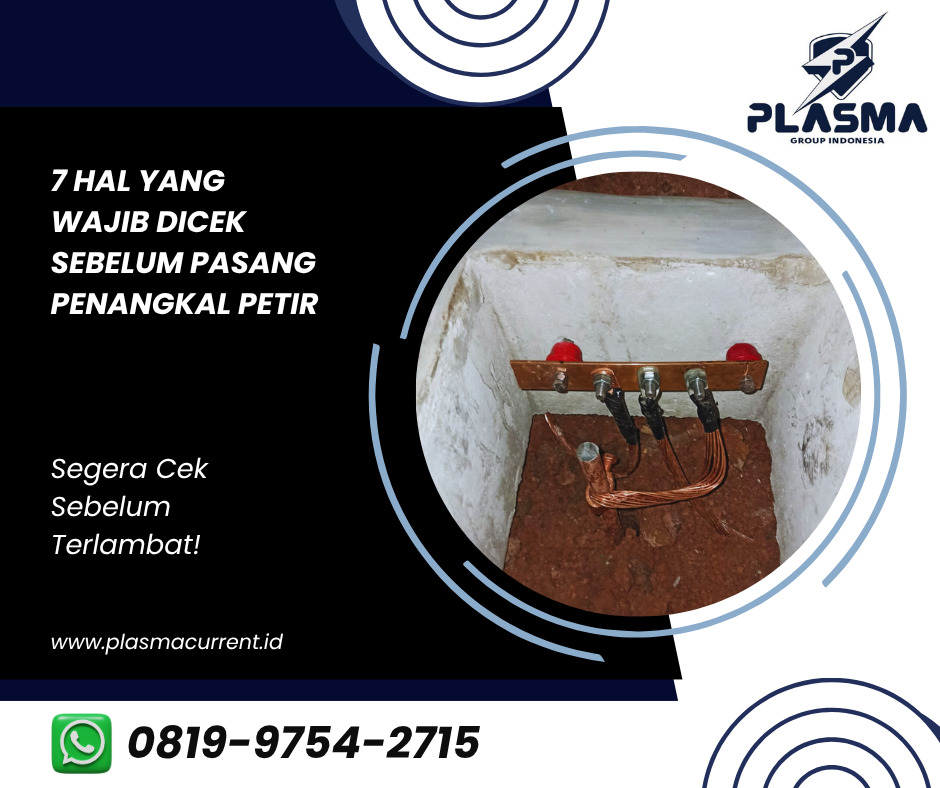
5 Methods to Estimate Arrester Protection Area

5 methods to estimate arrester protection area plasma group indonesia contact us at +6281997542715

methods to estimate arrester protection area

5 Methods to Estimate Arrester Protection Area: A Complete Guide

Surge arresters and lightning protection systems are crucial components in safeguarding buildings, electrical systems, and sensitive equipment from dangerous overvoltages caused by lightning strikes or switching surges. But how do engineers and technicians determine the effective zone a lightning arrester can protect? Understanding the methods to estimate arrester protection area is essential for proper system design and optimal safety.

In this article, we’ll dive into 5 key methods to estimate arrester protection area, complete with detailed explanations, mathematical principles, and practical use cases. Whether you’re designing a protection system for a small building or a large industrial facility, these methods will help ensure that every critical point is within the safety radius.

1. The Rolling Sphere Method (RSM)

One of the most widely accepted and reliable methods to estimate arrester protection area is the Rolling Sphere Method. This technique is based on the principle of simulating the approach of a lightning leader toward the ground by rolling an imaginary sphere (usually with a radius of 20 to 60 meters, depending on the lightning current level) across the site.

How It Works:

  • The sphere “rolls” over the structure and the arrester.

  • Points that the sphere cannot touch are considered protected.

  • The size of the sphere is determined by the critical breakdown distance between the lightning leader and the object.

Application:

This method is often used in accordance with standards like IEC 62305. It is suitable for protecting complex structures, industrial plants, or facilities with critical assets.

Among all the methods to estimate arrester protection area, RSM is known for its accuracy, especially in high-risk zones.

2. Protective Angle Method

The Protective Angle Method is a simple geometric approach that is typically used for conventional lightning rods or air terminals. It defines a protection zone in the shape of a cone based on the height of the arrester.

How It Works:

  • The angle of protection varies with the height of the arrester.

  • Generally, the angle ranges from 45° to 60°, depending on standards and the class of protection required.

  • For example, a lightning rod 10 meters tall may offer protection with a 45° angle, giving a radius of protection of approximately 10 meters at ground level.

This is one of the most practical methods to estimate arrester protection area for low-rise buildings and residential applications. However, it’s less effective for taller structures or when multiple levels are involved.

3. Empirical Equations Based on Field Experience

In some cases, designers rely on empirical equations, which are derived from years of field experience and experimental data. These formulas provide quick estimations and are widely used in preliminary system layouts.

Common Equation:

One of the well-known empirical formulas is:

Rp = H × tan(α)
Where:

  • Rp = Protection radius

  • H = Height of arrester

  • α = Protective angle (usually 45° to 60°)

These methods to estimate arrester protection area are especially useful when detailed CAD models or advanced simulation tools are not available. However, they should be cross-checked with more accurate techniques during the final design phase.

4. Computer-Based Simulation and 3D Modeling

With advancements in engineering software, computer-based simulations have become one of the most precise methods to estimate arrester protection area. Programs such as AutoCAD, ETAP, and DEHNsupport can model the physical site and calculate protection zones based on structural geometry, arrester type, and environmental factors.

Benefits:

  • Highly accurate for complex structures

  • Allows visual representation of protected and unprotected areas

  • Helps identify blind spots and optimize arrester placement

This method is ideal for large-scale installations like factories, substations, or high-rise buildings, where traditional calculations may not be sufficient.

Among modern methods to estimate arrester protection area, simulation tools offer unmatched accuracy and flexibility.

5. Mesh or Grid Method (for Structural Protection)

The Mesh or Grid Method is used primarily for flat-roofed structures or wide industrial buildings. In this approach, a network of conductors (meshes) is laid out across the roof surface, and vertical air terminals are positioned at grid intersections or along the perimeter.

Principle:

  • Each mesh cell is considered protected within a defined spacing.

  • The maximum spacing depends on the level of protection needed:

    • Class I: 5m x 5m

    • Class II: 10m x 10m

    • Class III: 15m x 15m

The method complies with IEC 62305-3 and is one of the most widely used methods to estimate arrester protection area for horizontal surfaces and distributed systems.

Comparing the Methods

Method Best Use Case Accuracy Complexity
Rolling Sphere Industrial/High-Risk Zones Very High High
Protective Angle Small Buildings, Poles Moderate Low
Empirical Formula Preliminary Estimates Moderate Low
3D Simulation Complex or Large Structures Very High High
Mesh/Grid Flat Roofs, Large-Area Coverage High Medium

Understanding the differences between these methods to estimate arrester protection area allows designers to select the most suitable approach for their specific application.

Designing an effective lightning protection system requires more than just installing a few rods or arresters. It’s about understanding how lightning behaves, how current travels, and how best to intercept and direct that energy safely to the ground.

By exploring these 5 methods to estimate arrester protection area, engineers and building owners can make informed decisions to ensure comprehensive protection. Whether you prefer the geometric simplicity of the protective angle method or the high-tech precision of simulation software, the key is selecting the right method for the structure you’re protecting.

So the next time you’re planning a lightning protection system, remember these proven methods to estimate arrester protection area. They’re not just engineering tools—they’re your front line of defense against one of nature’s most powerful forces.


Need help designing an effective protection system?
Contact our expert team today to apply the most reliable methods to estimate arrester protection area for your project and ensure your structure is fully protected.

5 methods to estimate arrester protection area plasma group indonesia contact us at +6281997542715

Do you want to know information about 5 methods to estimate arrester protection area, or another information about lightning protection systems?
Visit www.plasmacurrent.id or contact us at 0819-9754-2715

5 Facts About Lightning That Will Shock You!

5 facts about lightning that will shock you plasma group indonesia article contact us on +6281997542715

5 facts about lightning

Lightning is one of nature’s most powerful and awe-inspiring phenomena. It lights up the sky, cracks through the air, and carries an immense amount of energy—sometimes with devastating consequences. While it’s a common natural occurrence, there are many things most people don’t know about it. If you’re curious or even a bit afraid of thunderstorms, here are 5 facts about lightning that will shock you—both literally and figuratively.

1. Lightning Can Strike the Same Place More Than Once

You’ve probably heard the old saying, “Lightning never strikes the same place twice.” Well, that’s a myth.

One of the most surprising facts about lightning that will shock you is that it can and does strike the same place repeatedly. Tall structures such as skyscrapers, towers, and even trees often get hit multiple times. For instance, the Empire State Building in New York City is struck by lightning around 20 to 25 times per year. The reason? Lightning is drawn to high points and good conductors, making these structures ideal targets.

So, next time you seek shelter under a tall metal object during a storm, think again—lightning might be paying it a second visit.

2. A Single Bolt of Lightning Can Be Hotter Than the Sun

Here’s one of the facts about lightning that will shock you—literally: A lightning bolt can reach temperatures of 30,000 kelvins (53,540°F), which is five times hotter than the surface of the sun.

This extreme heat is what causes the surrounding air to expand rapidly, producing the shock wave we hear as thunder. It also explains why lightning can instantly ignite fires, melt metal, and severely burn anything—or anyone—in its path.

If you’ve ever wondered how something that lasts just a split second can do so much damage, this fact gives you the answer: it’s incredibly, unimaginably hot.

3. Lightning Can Travel Miles Away from the Storm

Another one of the most astonishing facts about lightning that will shock you is that it doesn’t always strike directly beneath a thunderstorm. In fact, lightning can strike as far as 10 to 15 miles away from the rain core of the storm. These are known as “bolts from the blue” and they’re particularly dangerous because they strike without warning—often when the sky above looks clear.

This is why experts advise staying indoors for at least 30 minutes after the last clap of thunder. Just because it looks safe doesn’t mean the storm is done releasing its electrical fury.

So remember, even if you think you’re far from the storm, you could still be in lightning’s unpredictable path.

4. Lightning Strikes the Earth 100 Times Every Second

Let’s put this into perspective: The Earth is struck by lightning about 8 million times per day, which is more than 100 times every single second.

This is one of the lesser-known facts about lightning that will shock you because most people think lightning is a rare event. The truth is, it’s happening all the time around the world—especially in areas close to the equator like Central Africa, Southeast Asia, and parts of South America.

In fact, the place with the most lightning in the world is Lake Maracaibo in Venezuela, which experiences lightning storms up to 300 nights per year. So while lightning may seem dramatic and unusual when it strikes near your home, it’s actually one of the most common natural events happening on Earth.

5. You Can Be Struck Even Inside a Building or Car

Most people think that being inside a building or vehicle makes them completely safe from lightning. While it’s true that enclosed spaces offer more protection than being out in the open, it’s not 100% risk-free. This leads us to the final and perhaps most misunderstood of all the facts about lightning that will shock you.

Lightning can still enter buildings through plumbing, electrical wiring, and even metal reinforcement in concrete walls. Taking a shower, washing dishes, or using wired electronics during a thunderstorm can be dangerous.

As for vehicles, they are safe not because of the rubber tires, but because of their metal frame, which acts as a Faraday cage—directing the electric charge around the passengers and into the ground.

So, while you’re safer inside, understanding these risks will help you take better precautions the next time a storm rolls in.

Lightning is beautiful, powerful, and dangerous all at once. These 5 facts about lightning that will shock you highlight just how little we often understand about this everyday yet extraordinary natural force. From the incredible temperatures it generates to its ability to strike miles from a storm and multiple times in the same place, lightning continues to surprise scientists and everyday observers alike.

Understanding these facts about lightning that will shock you isn’t just about satisfying curiosity—it’s also about staying safe. The more we know about how lightning behaves, the better we can protect ourselves, our homes, and our loved ones when the skies start to rumble.

So the next time you hear thunder in the distance, remember: lightning is more than just a flash in the sky. It’s a complex force of nature that deserves your attention—and respect.

5 facts about lightning that will shock you plasma group indonesia article contact us on +6281997542715

Do you want to know information about 5 facts about lightning, or another information about lightning protection systems?
Visit www.plasmacurrent.id or contact us at 0819-9754-2715

5 Tips Memilih Penangkal Petir untuk Kandang Ternak (Sapi & Kambing)

5 tips memilih penangkal petir untuk kandang ternak sapi dan kambing amankan hewan ternak anda dari petir di kondisi cuaca ekstrem jasa hubungi 081997542715

tips memilih penangkal petir untuk kandang ternak sapi dan kambing

Memiliki peternakan bukan hanya soal menyediakan pakan dan menjaga kebersihan, tetapi juga melindungi aset dan hewan ternak dari ancaman eksternal seperti sambaran petir. Di musim hujan atau cuaca ekstrem, kejadian sambaran petir bisa sangat merugikan. Kandang ternak yang berada di area terbuka sangat rentan tersambar petir, apalagi jika lokasinya jauh dari bangunan tinggi atau berada di dataran tinggi. Oleh karena itu, penangkal petir untuk kandang ternak menjadi perlindungan mutlak yang perlu dipertimbangkan sejak awal.

Namun, tidak semua sistem proteksi petir cocok digunakan di area peternakan. Diperlukan pemahaman yang tepat agar penangkal petir yang dipasang bisa bekerja optimal tanpa membahayakan hewan maupun pekerja. Berikut ini adalah 5 tips penting dalam memilih penangkal petir untuk kandang ternak agar Anda tidak salah pilih dan bisa memberikan perlindungan maksimal bagi seluruh aset peternakan Anda.

1. Pilih Jenis Penangkal Petir yang Sesuai dengan Lingkungan Peternakan

Tidak semua penangkal petir cocok digunakan di area peternakan. Ada dua jenis utama penangkal petir: penangkal petir konvensional dan penangkal petir elektrostatis (early streamer emission). Untuk area luas seperti peternakan, sebaiknya menggunakan penangkal petir elektrostatis karena jangkauannya lebih besar dan pemasangannya lebih efisien.

Misalnya, satu unit penangkal petir elektrostatis bisa melindungi area dengan radius hingga 150 meter, cocok untuk kandang sapi, kambing, atau ayam dalam skala besar. Jika Anda menggunakan penangkal petir konvensional, mungkin Anda perlu beberapa titik grounding dan tiang untuk cakupan perlindungan yang sama.

Dengan memilih jenis yang tepat, Anda dapat mengoptimalkan perlindungan dari sambaran petir dan menghemat biaya instalasi. Jadi, pastikan Anda berkonsultasi dengan teknisi profesional sebelum menentukan penangkal petir untuk kandang ternak.

2. Perhatikan Sistem Grounding yang Efektif dan Sesuai Standar

Sistem grounding adalah bagian paling vital dalam sistem penangkal petir. Tanpa grounding yang baik, arus petir tidak dapat dialirkan ke tanah secara aman, dan justru bisa menyebar ke struktur logam atau instalasi listrik di kandang. Hal ini sangat berbahaya bagi hewan ternak yang sensitif terhadap tegangan bocor.

Untuk area peternakan, jenis tanah sangat memengaruhi kualitas grounding. Jika tanahnya berbatu atau berpasir, diperlukan grounding enhancement material (GEM) atau bahan peningkat tahanan tanah agar resistansi tetap rendah di bawah 5 ohm.

Saat memilih penangkal petir untuk kandang ternak, pastikan sistem grounding-nya didesain khusus untuk lingkungan peternakan. Hindari pemasangan sembarangan yang bisa menyebabkan arus menyebar ke pagar logam, lantai besi, atau sistem penyiraman otomatis yang terhubung ke listrik.

3. Pastikan Material Penangkal Petir Tahan Karat dan Cuaca Ekstrem

Lingkungan kandang ternak biasanya memiliki kelembapan tinggi karena kombinasi kotoran hewan, air minum, dan sistem ventilasi alami. Oleh karena itu, semua material yang digunakan pada sistem penangkal petir harus tahan korosi.

Pilihlah penangkal petir untuk kandang ternak yang menggunakan batang logam berbahan tembaga atau stainless steel berkualitas tinggi. Kabel konduktor juga sebaiknya dilapisi dengan isolator yang tahan terhadap sinar UV dan air. Jangan gunakan material besi biasa yang mudah berkarat karena akan mempercepat degradasi sistem proteksi.

Periksa juga kondisi terminal udara, tiang penyangga, serta sambungan ke sistem grounding secara berkala, terutama menjelang musim hujan. Pemeliharaan ini penting agar penangkal petir tetap berfungsi optimal dalam jangka panjang.

4. Gunakan Jasa Profesional yang Berpengalaman di Sektor Pertanian atau Peternakan

Pemasangan penangkal petir tidak boleh sembarangan. Anda harus memastikan bahwa teknisi yang memasang memahami karakteristik kandang, alur instalasi listrik, dan lokasi yang paling rawan sambaran petir.

Dengan menggunakan jasa profesional yang berpengalaman, mereka akan melakukan survey lokasi, menghitung radius perlindungan, memilih ketinggian tiang, hingga menentukan titik grounding yang ideal. Ini sangat penting untuk memastikan bahwa penangkal petir untuk kandang ternak Anda benar-benar melindungi area secara menyeluruh.

Selain itu, mereka akan memberikan laporan hasil pemasangan, gambar teknis, dan biasanya memberikan garansi sistem yang dipasang. Investasi ini akan sangat berharga dibandingkan risiko kehilangan ratusan ekor ternak akibat sambaran petir.

5. Pertimbangkan Fitur Tambahan Seperti Sistem Monitoring atau Lightning Counter

Jika Anda mengelola peternakan dalam skala besar, akan sangat bermanfaat jika penangkal petir dilengkapi dengan lightning counter, yaitu alat penghitung jumlah sambaran petir yang telah diterima sistem. Ini membantu Anda mengetahui seberapa sering sistem bekerja, dan apakah perlu dilakukan inspeksi ulang.

Fitur tambahan ini memang menambah biaya, tapi manfaatnya besar untuk jangka panjang. Saat memilih penangkal petir untuk kandang ternak, tanyakan apakah produsen menyediakan fitur ini sebagai opsional.

Memilih penangkal petir untuk kandang ternak bukan sekadar beli tiang dan kabel, tapi menyangkut perlindungan aset hidup yang sangat berharga. Salah perhitungan bisa menyebabkan kerugian besar, baik secara ekonomi maupun psikologis.

Dengan memahami lima tips di atas — mulai dari memilih jenis penangkal yang sesuai, sistem grounding yang andal, material tahan lama, pemasangan oleh profesional, hingga fitur tambahan seperti monitoring — Anda dapat meningkatkan keamanan kandang dari ancaman petir.

Di momen menjelang musim hujan atau menjelang Idul Adha, peternakan sering dalam kapasitas maksimal. Jangan tunggu kerusakan terjadi. Segera pasang penangkal petir untuk kandang ternak Anda dan lindungi investasi serta makhluk hidup yang Anda rawat dengan sepenuh hati.


Jika Anda membutuhkan bantuan teknis atau ingin berkonsultasi soal produk penangkal petir untuk kandang ternak terbaik, silakan hubungi teknisi terpercaya atau distributor resmi yang memahami kebutuhan sektor peternakan.

5 tips memilih penangkal petir untuk kandang ternak sapi dan kambing amankan hewan ternak anda dari petir di kondisi cuaca ekstrem jasa hubungi 081997542715

Ingin tahu lebih lanjut tentang info tentang 5 tips memilih penangkal petir untuk kandang ternak sapi dan kambing, maupun info solusi proteksi petir lainnya?
Kunjungi www.plasmacurrent.id atau hubungi kami di 0819-9754-2715