7 Tanda Bangunan Anda Wajib Pakai Arrester

7 tanda bangunan anda wajib pakai arrester artikel plasma group indonesia plasma current jasa penangkal petir hubungi 081997542715

7 tanda bangunan anda wajib pakai arrester

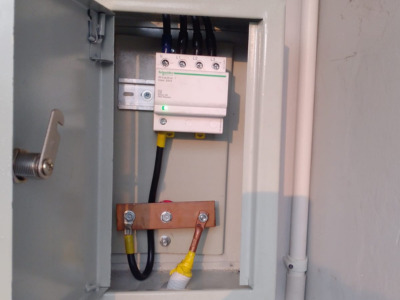
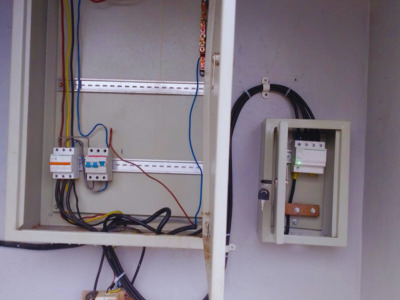
Dalam dunia kelistrikan, keselamatan menjadi prioritas utama, terlebih ketika berbicara tentang ancaman petir atau lonjakan tegangan yang dapat merusak instalasi dan perangkat elektronik di dalam bangunan. Salah satu solusi efektif untuk mengatasi risiko ini adalah pemasangan arrester, yaitu alat pelindung lonjakan tegangan (surge protection device/SPD). Namun, bagaimana kita tahu kapan saatnya memasang perangkat ini? Artikel ini akan membahas secara lengkap 7 tanda bangunan Anda wajib pakai arrester, agar Anda bisa mengambil keputusan tepat demi keamanan bangunan dan isinya.

1. Lokasi Bangunan Berada di Daerah Rawan Petir

Tanda pertama yang paling jelas dari tanda bangunan Anda wajib pakai arrester adalah jika bangunan tersebut berada di daerah dengan intensitas sambaran petir tinggi. Di Indonesia, beberapa wilayah seperti Sumatera Barat, Kalimantan Tengah, dan Jawa Barat bagian selatan terkenal sebagai daerah dengan frekuensi petir yang tinggi sepanjang tahun. Jika bangunan Anda berada di wilayah tersebut, risiko terkena lonjakan tegangan akibat sambaran petir menjadi jauh lebih besar. Arrester akan bekerja sebagai pelindung awal yang mencegah kerusakan pada sistem kelistrikan akibat lonjakan tiba-tiba.

2. Bangunan Menggunakan Banyak Peralatan Elektronik Sensitif

Jika bangunan Anda, baik rumah maupun gedung kantor, dilengkapi dengan perangkat elektronik seperti komputer, televisi, server, AC digital, atau peralatan laboratorium, maka inilah salah satu tanda bangunan Anda wajib pakai arrester. Perangkat elektronik sensitif sangat rentan terhadap tegangan berlebih yang bisa datang sewaktu-waktu, baik dari sambaran petir maupun gangguan dari jaringan PLN. Arrester akan melindungi perangkat dari kerusakan permanen dan kerugian finansial yang tidak sedikit.

3. Sistem Kelistrikan Sering Mengalami Gangguan atau Pemadaman Mendadak

Apakah Anda sering mengalami pemadaman mendadak atau lonjakan listrik saat hujan deras atau saat beban listrik meningkat? Ini adalah tanda bangunan Anda wajib pakai arrester yang tidak boleh diabaikan. Lonjakan tegangan akibat switching (perpindahan beban pada jaringan listrik) dapat menyebabkan kerusakan instalasi, memperpendek umur kabel, bahkan memicu korsleting. Arrester akan meredam lonjakan tersebut sebelum mencapai peralatan listrik di dalam bangunan Anda.

4. Bangunan Memiliki Sistem Panel Listrik Skala Besar

Jika bangunan Anda memiliki sistem panel distribusi listrik yang kompleks misalnya pada pabrik, gedung bertingkat, atau fasilitas industri. Maka ini merupakan tanda bangunan Anda wajib pakai arrester. Semakin besar dan kompleks sistem kelistrikan suatu bangunan, semakin tinggi pula potensi kerusakan akibat surge. Arrester akan dipasang pada setiap level panel (utama, sub, dan final) untuk memastikan distribusi arus tetap stabil dan aman dari gangguan luar.

5. Sering Terjadi Kerusakan Tak Terduga pada Perangkat Elektronik

Jika Anda merasa perangkat elektronik sering rusak tanpa sebab yang jelas, seperti modem terbakar, kipas angin mati total, atau charger cepat rusak, bisa jadi penyebabnya adalah lonjakan tegangan yang tak kasat mata. Ini merupakan tanda bangunan Anda wajib pakai arrester yang sering diabaikan. Banyak orang hanya mengganti perangkat rusak tanpa menyadari bahwa kerusakan itu berulang karena proteksi kelistrikan yang tidak memadai. Arrester akan mencegah kerusakan berulang tersebut.

6. Bangunan Dilindungi oleh Sistem Penangkal Petir

Ironisnya, meskipun sistem penangkal petir sudah terpasang, bangunan tetap bisa mengalami kerusakan akibat tegangan induksi atau sambaran tidak langsung. Oleh karena itu, jika bangunan Anda sudah memiliki penangkal petir eksternal, ini justru menjadi tanda bangunan Anda wajib pakai arrester di bagian internal. Petir bisa menyebar melalui jaringan kabel, pipa logam, atau sistem grounding. Arrester bekerja sebagai lapisan perlindungan tambahan yang melindungi jaringan internal dari lonjakan tak terduga.

7. Gedung Digunakan untuk Operasional Bisnis atau Layanan Publik

Jika bangunan Anda berfungsi sebagai kantor, pusat data, sekolah, rumah sakit, atau fasilitas layanan publik lainnya, maka ini adalah tanda bangunan Anda wajib pakai arrester dari sisi operasional dan tanggung jawab. Gangguan kelistrikan sekecil apa pun bisa menghambat operasional, merusak perangkat penting, hingga membahayakan jiwa manusia. Arrester menjadi bagian dari sistem keamanan pasif yang mendukung keberlangsungan kegiatan di dalam gedung secara menyeluruh.

Mengapa Arrester Penting bagi Semua Jenis Bangunan?

Dari 7 tanda di atas, bisa disimpulkan bahwa tanda bangunan Anda wajib pakai arrester tidak terbatas pada bangunan industri atau fasilitas besar saja. Bahkan rumah tinggal sekalipun memerlukan perlindungan jika kondisi-kondisi tersebut terpenuhi. Arrester tidak hanya melindungi perangkat, tapi juga mencegah kecelakaan listrik, mengurangi potensi kebakaran, dan memperpanjang usia instalasi kelistrikan.

Beberapa manfaat spesifik dari penggunaan arrester, antara lain:

  • Menghindari biaya perbaikan alat elektronik akibat surge

  • Meningkatkan stabilitas sistem listrik

  • Menurunkan risiko kerusakan sistem komunikasi dan data

  • Memberikan ketenangan bagi penghuni atau pengguna bangunan

Jenis Arrester yang Umum Digunakan

Setelah mengetahui tanda bangunan Anda wajib pakai arrester, penting juga memahami jenis-jenis arrester yang tersedia:

  1. Arrester Tipe 1 – Digunakan di pintu masuk instalasi, biasanya untuk bangunan dengan penangkal petir.

  2. Arrester Tipe 2 – Dipasang di panel distribusi utama atau sub-panel, melindungi peralatan umum.

  3. Arrester Tipe 3 – Untuk proteksi akhir di stop kontak atau dekat peralatan elektronik seperti komputer.

Kombinasi ketiga jenis ini akan memberikan perlindungan berlapis sesuai standar proteksi kelistrikan internasional seperti IEC 61643.

Lonjakan tegangan bisa datang kapan saja, baik akibat petir, switching PLN, atau ketidakseimbangan beban. Kerusakan akibat surge tidak hanya merugikan secara materi, tapi juga mengganggu kenyamanan dan keselamatan penghuni bangunan. Oleh karena itu, memahami tanda bangunan Anda wajib pakai arrester sangat penting sebagai langkah awal pencegahan.

Jika bangunan Anda menunjukkan satu atau lebih dari 7 tanda yang sudah dijelaskan di atas, saatnya mempertimbangkan pemasangan arrester sebagai bagian dari sistem proteksi kelistrikan yang andal dan modern. Jangan tunggu sampai terjadi kerusakan baru mengambil tindakan—lebih baik mencegah daripada menyesal.

7 tanda bangunan anda wajib pakai arrester artikel plasma group indonesia plasma current jasa penangkal petir hubungi 081997542715

Ingin tahu lebih lanjut tentang info tentang tanda bangunan anda wajib pakai arrester, maupun info solusi proteksi petir lainnya?
Kunjungi www.plasmacurrent.id atau hubungi kami di 0819-9754-2715
5 Methods to Estimate Arrester Protection Area

5 methods to estimate arrester protection area plasma group indonesia contact us at +6281997542715

methods to estimate arrester protection area

5 Methods to Estimate Arrester Protection Area: A Complete Guide

Surge arresters and lightning protection systems are crucial components in safeguarding buildings, electrical systems, and sensitive equipment from dangerous overvoltages caused by lightning strikes or switching surges. But how do engineers and technicians determine the effective zone a lightning arrester can protect? Understanding the methods to estimate arrester protection area is essential for proper system design and optimal safety.

In this article, we’ll dive into 5 key methods to estimate arrester protection area, complete with detailed explanations, mathematical principles, and practical use cases. Whether you’re designing a protection system for a small building or a large industrial facility, these methods will help ensure that every critical point is within the safety radius.

1. The Rolling Sphere Method (RSM)

One of the most widely accepted and reliable methods to estimate arrester protection area is the Rolling Sphere Method. This technique is based on the principle of simulating the approach of a lightning leader toward the ground by rolling an imaginary sphere (usually with a radius of 20 to 60 meters, depending on the lightning current level) across the site.

How It Works:

  • The sphere “rolls” over the structure and the arrester.

  • Points that the sphere cannot touch are considered protected.

  • The size of the sphere is determined by the critical breakdown distance between the lightning leader and the object.

Application:

This method is often used in accordance with standards like IEC 62305. It is suitable for protecting complex structures, industrial plants, or facilities with critical assets.

Among all the methods to estimate arrester protection area, RSM is known for its accuracy, especially in high-risk zones.

2. Protective Angle Method

The Protective Angle Method is a simple geometric approach that is typically used for conventional lightning rods or air terminals. It defines a protection zone in the shape of a cone based on the height of the arrester.

How It Works:

  • The angle of protection varies with the height of the arrester.

  • Generally, the angle ranges from 45° to 60°, depending on standards and the class of protection required.

  • For example, a lightning rod 10 meters tall may offer protection with a 45° angle, giving a radius of protection of approximately 10 meters at ground level.

This is one of the most practical methods to estimate arrester protection area for low-rise buildings and residential applications. However, it’s less effective for taller structures or when multiple levels are involved.

3. Empirical Equations Based on Field Experience

In some cases, designers rely on empirical equations, which are derived from years of field experience and experimental data. These formulas provide quick estimations and are widely used in preliminary system layouts.

Common Equation:

One of the well-known empirical formulas is:

Rp = H × tan(α)
Where:

  • Rp = Protection radius

  • H = Height of arrester

  • α = Protective angle (usually 45° to 60°)

These methods to estimate arrester protection area are especially useful when detailed CAD models or advanced simulation tools are not available. However, they should be cross-checked with more accurate techniques during the final design phase.

4. Computer-Based Simulation and 3D Modeling

With advancements in engineering software, computer-based simulations have become one of the most precise methods to estimate arrester protection area. Programs such as AutoCAD, ETAP, and DEHNsupport can model the physical site and calculate protection zones based on structural geometry, arrester type, and environmental factors.

Benefits:

  • Highly accurate for complex structures

  • Allows visual representation of protected and unprotected areas

  • Helps identify blind spots and optimize arrester placement

This method is ideal for large-scale installations like factories, substations, or high-rise buildings, where traditional calculations may not be sufficient.

Among modern methods to estimate arrester protection area, simulation tools offer unmatched accuracy and flexibility.

5. Mesh or Grid Method (for Structural Protection)

The Mesh or Grid Method is used primarily for flat-roofed structures or wide industrial buildings. In this approach, a network of conductors (meshes) is laid out across the roof surface, and vertical air terminals are positioned at grid intersections or along the perimeter.

Principle:

  • Each mesh cell is considered protected within a defined spacing.

  • The maximum spacing depends on the level of protection needed:

    • Class I: 5m x 5m

    • Class II: 10m x 10m

    • Class III: 15m x 15m

The method complies with IEC 62305-3 and is one of the most widely used methods to estimate arrester protection area for horizontal surfaces and distributed systems.

Comparing the Methods

Method Best Use Case Accuracy Complexity
Rolling Sphere Industrial/High-Risk Zones Very High High
Protective Angle Small Buildings, Poles Moderate Low
Empirical Formula Preliminary Estimates Moderate Low
3D Simulation Complex or Large Structures Very High High
Mesh/Grid Flat Roofs, Large-Area Coverage High Medium

Understanding the differences between these methods to estimate arrester protection area allows designers to select the most suitable approach for their specific application.

Designing an effective lightning protection system requires more than just installing a few rods or arresters. It’s about understanding how lightning behaves, how current travels, and how best to intercept and direct that energy safely to the ground.

By exploring these 5 methods to estimate arrester protection area, engineers and building owners can make informed decisions to ensure comprehensive protection. Whether you prefer the geometric simplicity of the protective angle method or the high-tech precision of simulation software, the key is selecting the right method for the structure you’re protecting.

So the next time you’re planning a lightning protection system, remember these proven methods to estimate arrester protection area. They’re not just engineering tools—they’re your front line of defense against one of nature’s most powerful forces.


Need help designing an effective protection system?
Contact our expert team today to apply the most reliable methods to estimate arrester protection area for your project and ensure your structure is fully protected.

5 methods to estimate arrester protection area plasma group indonesia contact us at +6281997542715

Do you want to know information about 5 methods to estimate arrester protection area, or another information about lightning protection systems?
Visit www.plasmacurrent.id or contact us at 0819-9754-2715