
Sertifikat Laik Operasi (SLO) Penyalur Petir Dikeluarkan Oleh Siapa?

sertifikat laik operasi (SLO) penyalur petir dikeluarkan oleh siapa ini penjelasan lengkapnya plasma group indonesia jasa penangkal petir hubungi 081997542715

sertifikat laik operasi (SLO) penyalur petir dikeluarkan oleh siapa

Ketika membangun atau mengoperasikan suatu instalasi listrik—termasuk sistem penyalur petir—ada satu dokumen penting yang wajib dimiliki, yaitu Sertifikat Laik Operasi (SLO) Penyalur petir. Dokumen ini bukan hanya sekadar formalitas, melainkan bentuk kepatuhan terhadap standar keselamatan yang ditetapkan oleh pemerintah. Namun, banyak orang masih belum memahami siapa sebenarnya pihak yang berwenang mengeluarkan sertifikat ini, serta bagaimana proses dan pentingnya SLO dalam instalasi sistem penangkal petir.

Artikel ini akan menjawab pertanyaan: Sertifikat Laik Operasi (SLO) Penyalur petir dikeluarkan oleh siapa? Berikut penjelasan lengkapnya!

Apa Itu Sertifikat Laik Operasi (SLO) Penyalur Petir?

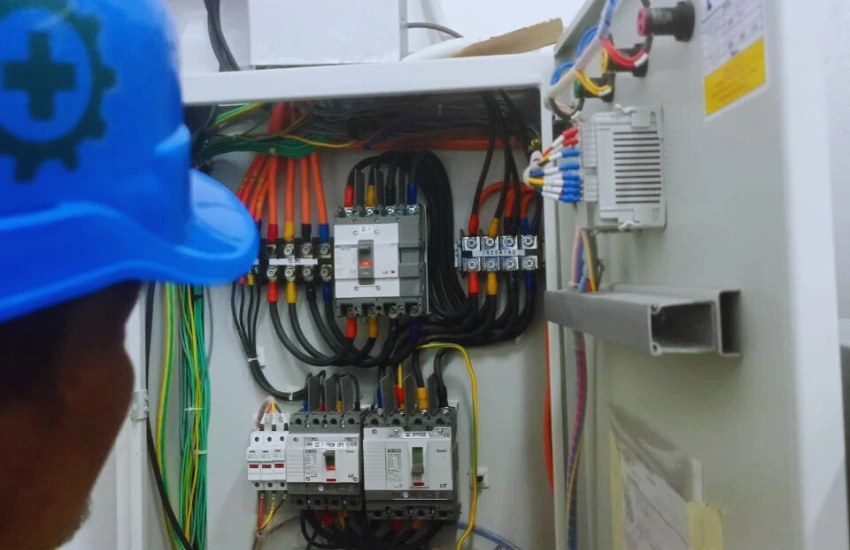
Sebelum membahas lebih jauh tentang lembaga yang menerbitkan dokumen ini, penting untuk memahami apa itu Sertifikat Laik Operasi (SLO) Penyalur petir. SLO merupakan dokumen resmi yang menyatakan bahwa instalasi listrik, termasuk sistem penyalur petir, telah terpasang dengan benar dan aman, serta layak dioperasikan sesuai standar teknis dan regulasi keselamatan ketenagalistrikan.

Khusus pada instalasi penyalur petir, SLO memastikan bahwa sistem tersebut telah:

  • Dipasang sesuai desain teknis dan standar nasional (SNI)

  • Melalui proses pengujian kelistrikan dan pengukuran resistansi grounding

  • Tidak membahayakan lingkungan sekitar

  • Dapat melindungi bangunan dari sambaran petir sesuai spesifikasi teknis

Mengapa Sertifikat Laik Operasi (SLO) Penyalur Petir Wajib Dimiliki?

Dalam konteks ketenagalistrikan di Indonesia, SLO bukan hanya simbol kepatuhan teknis, tapi juga menjadi syarat legal untuk pengoperasian suatu sistem kelistrikan atau instalasi pengaman seperti penyalur petir.

Tanpa SLO, ada risiko:

  • Bangunan dianggap belum memenuhi syarat laik fungsi

  • Tidak dapat memperoleh Sertifikat Laik Fungsi (SLF) dari dinas terkait

  • Potensi klaim asuransi ditolak jika terjadi kerusakan akibat petir

  • Tanggung jawab hukum jika instalasi menyebabkan kecelakaan atau kebakaran

Karena itu, setiap instalasi sistem penyalur petir pada bangunan bertingkat, fasilitas publik, perkantoran, atau kawasan industri diwajibkan memiliki Sertifikat Laik Operasi (SLO) Penyalur petir yang sah.

Sertifikat Laik Operasi (SLO) Penyalur Petir Dikeluarkan Oleh Siapa?

Inilah inti dari pertanyaan utama: Sertifikat Laik Operasi (SLO) Penyalur petir dikeluarkan oleh siapa? Jawabannya adalah:

Lembaga Inspeksi Teknik (LIT) yang Terdaftar dan Terakreditasi

SLO hanya bisa diterbitkan oleh LIT, yaitu badan atau perusahaan yang telah mendapatkan izin dari Direktorat Jenderal Ketenagalistrikan (DJK) di bawah Kementerian Energi dan Sumber Daya Mineral (ESDM).

Beberapa poin penting mengenai LIT:

  • LIT harus memiliki tenaga ahli bersertifikat di bidang ketenagalistrikan

  • Memiliki akreditasi sesuai standar nasional

  • Mempunyai peralatan pengujian dan kalibrasi yang lengkap dan terstandar

  • Terdaftar secara resmi dan dapat dicek melalui situs ESDM

Dengan demikian, jika Anda sedang memasang sistem penangkal petir dan bertanya “Sertifikat Laik Operasi (SLO) Penyalur petir dikeluarkan oleh siapa?”, maka Anda harus menghubungi LIT resmi yang terakreditasi oleh pemerintah.

Prosedur Penerbitan Sertifikat Laik Operasi (SLO) Penyalur Petir

Agar Anda bisa mendapatkan Sertifikat Laik Operasi (SLO) Penyalur petir, ada beberapa langkah yang harus dilalui:

1. Pemasangan Sistem Penyalur Petir

Instalasi harus dilakukan oleh teknisi profesional atau perusahaan yang memiliki keahlian di bidang penangkal petir dan grounding system.

2. Pengajuan Permohonan ke LIT

Setelah instalasi selesai, pemilik bangunan atau kontraktor mengajukan permohonan SLO ke LIT.

3. Inspeksi dan Pengujian oleh LIT

Tim teknis dari LIT akan melakukan inspeksi fisik dan pengujian:

  • Pemeriksaan desain sistem proteksi petir

  • Pengukuran tahanan pembumian (grounding)

  • Cek sambungan dan konduktivitas instalasi

4. Penerbitan SLO

Jika hasil pengujian memenuhi syarat teknis dan keselamatan, maka LIT akan menerbitkan Sertifikat Laik Operasi (SLO) Penyalur petir dalam bentuk dokumen resmi yang bisa digunakan untuk legalitas operasional bangunan.

Berapa Lama Proses Penerbitan SLO?

Waktu yang dibutuhkan untuk penerbitan SLO tergantung pada skala proyek dan kesiapan instalasi. Umumnya, proses ini bisa selesai dalam 5–10 hari kerja sejak permohonan dan inspeksi dilakukan.

Namun, jika ditemukan kekurangan atau ketidaksesuaian teknis, proses bisa memakan waktu lebih lama karena harus dilakukan perbaikan terlebih dahulu sebelum LIT menyetujui penerbitan sertifikat.

Biaya Penerbitan Sertifikat Laik Operasi (SLO) Penyalur Petir

Biaya untuk memperoleh Sertifikat Laik Operasi (SLO) Penyalur petir bervariasi, tergantung pada:

  • Luas area instalasi

  • Kompleksitas sistem proteksi petir

  • Lokasi proyek

  • Lembaga inspeksi yang digunakan

Secara umum, biaya berada di kisaran Rp1.500.000 – Rp5.000.000 per sistem. Beberapa proyek skala besar seperti pabrik atau gedung tinggi bisa dikenai biaya yang lebih tinggi karena memerlukan inspeksi lebih detail.

Apakah Semua Sistem Penyalur Petir Wajib Punya SLO?

Tidak semua sistem penyalur petir wajib memiliki SLO, namun aturan ini umumnya diberlakukan pada:

  • Gedung bertingkat tiga atau lebih

  • Fasilitas publik dan komersial

  • Bangunan industri dan area rawan bahaya

  • Proyek konstruksi yang akan mengurus SLF (Sertifikat Laik Fungsi)

Untuk rumah tinggal biasa, SLO tidak selalu diwajibkan, tetapi tetap disarankan, terutama jika lokasi rumah berada di daerah dengan intensitas petir tinggi.

Ciri-Ciri SLO Resmi dan Valid

Karena pentingnya dokumen ini, tidak jarang ada oknum yang menawarkan SLO palsu atau tidak sah. Berikut ciri-ciri Sertifikat Laik Operasi (SLO) Penyalur petir yang sah:

  • Dikeluarkan oleh LIT yang terdaftar di Kementerian ESDM

  • Memiliki nomor registrasi resmi

  • Tercantum nama pemilik, alamat lokasi, dan hasil pengujian teknis

  • Dapat diverifikasi melalui sistem online (beberapa LIT memiliki QR Code atau database online)

Selalu pastikan Anda hanya bekerja sama dengan LIT yang kredibel dan punya reputasi baik.

Jadi, Sertifikat Laik Operasi (SLO) Penyalur petir dikeluarkan oleh siapa? Jawabannya adalah oleh Lembaga Inspeksi Teknik (LIT) yang resmi, terakreditasi, dan ditunjuk oleh Kementerian ESDM. Dokumen ini sangat penting untuk memastikan bahwa sistem proteksi petir Anda bekerja dengan aman, efektif, dan sesuai standar nasional.

Dengan memiliki Sertifikat Laik Operasi (SLO) Penyalur petir, Anda tidak hanya memenuhi aspek legalitas, tetapi juga memberikan perlindungan maksimal terhadap risiko kebakaran, gangguan listrik, dan potensi kehilangan aset akibat sambaran petir.

Jika Anda sedang dalam proses instalasi sistem penyalur petir dan membutuhkan bantuan pengurusan Sertifikat Laik Operasi (SLO) Penyalur petir, jangan ragu untuk menghubungi penyedia jasa terpercaya yang berpengalaman dan bekerja sama dengan LIT resmi.

sertifikat laik operasi (SLO) penyalur petir dikeluarkan oleh siapa ini penjelasan lengkapnya plasma group indonesia jasa penangkal petir hubungi 081997542715

Ingin tahu lebih lanjut tentang info tentang penjelasan sertifikat laik operasi (SLO) penyalur petir dikeluarkan oleh siapa, maupun info solusi proteksi petir lainnya?
Kunjungi www.plasmacurrent.id atau hubungi kami di 0819-9754-2715
Tingkat Proteksi Petir Menurut SNI 03-7015-2004

tingkat proteksi petir kelas 1 sampai 4 menurut sni 03-7015-2004 artikel plasma group indonesia jasa penangkal petir grounding dan arrester hubungi 081997542715

tingkat proteksi petir

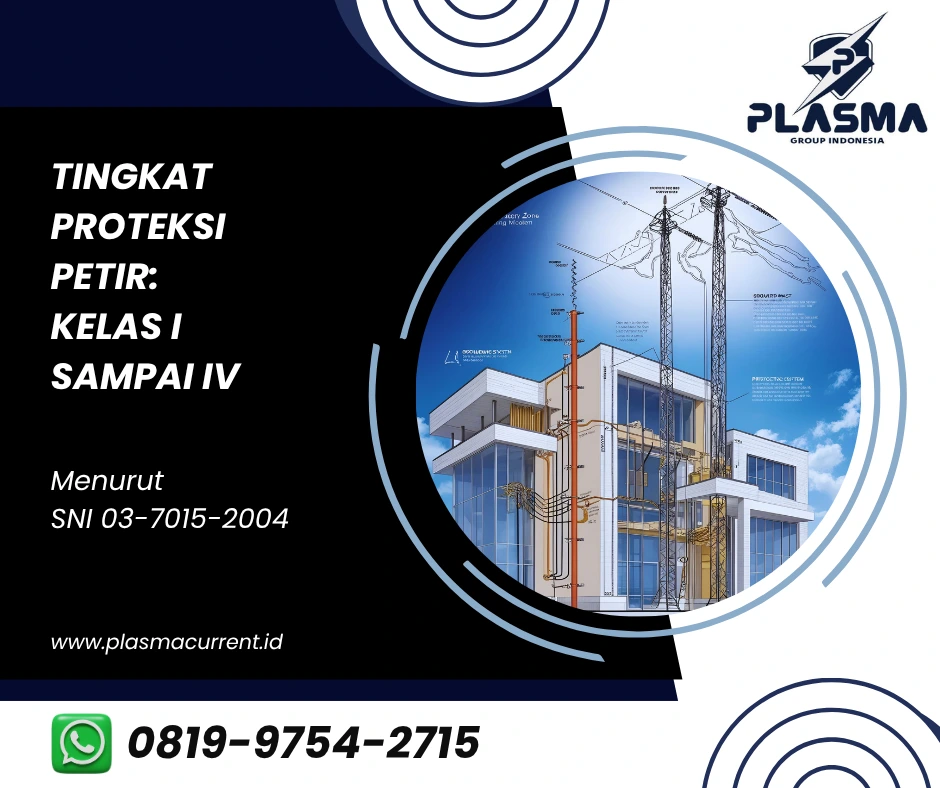
Dalam dunia teknik perlindungan bangunan dari bahaya sambaran petir, istilah tingkat proteksi petir adalah sesuatu yang sangat penting untuk dipahami, terutama bagi para insinyur, kontraktor, maupun pemilik bangunan. Di Indonesia, standar nasional yang digunakan untuk menentukan dan merancang sistem perlindungan ini adalah SNI 03-7015-2004. Standar ini mengatur berbagai aspek penting, termasuk pembagian tingkat proteksi petir ke dalam empat kelas, yaitu Kelas I, II, III, dan IV.

Artikel ini akan mengulas secara detail mengenai setiap tingkat proteksi petir dalam SNI 03-7015-2004, mulai dari definisi, kriteria pemilihan kelas proteksi, hingga implikasi teknis dalam perancangannya. Pengulangan kata kunci “tingkat proteksi petir” dilakukan secara strategis untuk membantu optimasi SEO sekaligus memperkuat pemahaman pembaca.

Apa itu Tingkat Proteksi Petir?

Tingkat proteksi petir mengacu pada tingkat efektivitas sistem penangkal petir dalam menangkal atau mengalirkan sambaran petir ke tanah dengan aman. Penetapan tingkat proteksi ini bertujuan untuk menyesuaikan desain sistem penangkal petir berdasarkan tingkat risiko dan pentingnya bangunan atau instalasi yang dilindungi.

Dalam SNI 03-7015-2004, terdapat empat tingkat proteksi petir utama, masing-masing dengan parameter teknis dan tingkat keamanan yang berbeda-beda. Semakin tinggi kelas proteksi, semakin sensitif dan kompleks sistem yang dibutuhkan.

Tingkat Proteksi Petir Kelas I

Tingkat proteksi petir Kelas I adalah tingkat tertinggi dalam sistem klasifikasi SNI 03-7015-2004. Kelas ini ditujukan untuk bangunan dengan risiko sambaran petir yang sangat tinggi dan dampak kerusakan yang sangat besar bila terkena petir.

Ciri-ciri bangunan yang memerlukan Kelas I:

  • Fasilitas militer dan pemerintahan strategis

  • Pabrik bahan peledak

  • Fasilitas penyimpanan bahan bakar

  • Rumah sakit besar atau pusat data nasional

Parameter teknis:

  • Radius perlindungan kecil

  • Jumlah terminal udara lebih banyak

  • Sistem grounding harus sangat rendah resistansinya (≤ 10 Ohm)

  • Interval pemeliharaan tahunan yang ketat

Menggunakan tingkat proteksi petir Kelas I sangat krusial untuk menjaga keselamatan jiwa manusia dan aset bernilai tinggi.

Tingkat Proteksi Petir Kelas II

Tingkat proteksi petir Kelas II diterapkan pada bangunan yang memiliki potensi sedang terhadap sambaran petir serta risiko sedang terhadap penghuninya dan alat elektronik di dalamnya.

Contoh bangunan:

  • Gedung perkantoran bertingkat

  • Gedung sekolah

  • Hotel berbintang

  • Pabrik non-kimia

Pada kelas ini, sistem proteksi tetap harus dirancang secara cermat. Jumlah terminal udara dan down conductor masih cukup banyak, meski tidak seketat pada kelas I. Grounding masih direkomendasikan ≤ 15 Ohm.

Tingkat proteksi petir kelas ini sering menjadi standar pilihan bagi gedung-gedung menengah di area urban.

Tingkat Proteksi Petir Kelas III

Kelas ini adalah yang paling umum digunakan di Indonesia, khususnya untuk bangunan perumahan dan bangunan kecil yang tidak terlalu tinggi.

Cakupan bangunan:

  • Rumah tinggal dua lantai

  • Ruko

  • Masjid kecil

  • Gudang biasa

Tingkat proteksi petir Kelas III menawarkan perlindungan standar yang mencakup perlindungan terhadap sambaran langsung dan efek induktif petir. Sistemnya relatif sederhana dan ekonomis, dengan jumlah terminal udara lebih sedikit dan sistem grounding berkisar di ≤ 20 Ohm.

Meskipun tingkat proteksinya lebih rendah dibandingkan kelas I dan II, tingkat proteksi petir Kelas III sudah mencukupi untuk kebutuhan rumah tangga dengan risiko petir sedang.

Tingkat Proteksi Petir Kelas IV

Tingkat proteksi petir Kelas IV ditujukan untuk bangunan atau struktur yang memiliki risiko sangat rendah terhadap sambaran petir dan dampak kerusakan yang minim.

Aplikasi kelas ini:

  • Pos jaga

  • Gubuk lapangan

  • Tempat penyimpanan sementara

  • Bangunan di wilayah dengan intensitas petir sangat rendah (Ng < 15)

Pada tingkat proteksi petir Kelas IV, desain sistem bisa sangat sederhana, bahkan dalam beberapa kasus hanya berupa grounding pasif. Meski demikian, pengukuran dan penilaian risiko tetap disarankan agar sistem tetap sesuai standar SNI.

Perbandingan Teknis antar Tingkat Proteksi Petir

Kelas Proteksi Arus Puncak (kA) Radius Perlindungan Grounding Max Rekomendasi Pengujian
Kelas I ≥ 200 kA ≤ 20 m ≤ 10 Ohm 1 kali per tahun
Kelas II ≥ 150 kA ≤ 30 m ≤ 15 Ohm 1 kali per tahun
Kelas III ≥ 100 kA ≤ 45 m ≤ 20 Ohm 1 kali per 2 tahun
Kelas IV ≥ 75 kA ≤ 60 m ≤ 30 Ohm 1 kali per 3 tahun

Cara Menentukan Tingkat Proteksi Petir yang Tepat

Penentuan tingkat proteksi petir tidak dilakukan secara sembarangan. SNI 03-7015-2004 menyediakan panduan kuantitatif berupa rumus perhitungan risiko (Nc dan Nd) yang dikombinasikan dengan parameter jenis bangunan, lokasi geografis (Ng), dan dampak potensial.

Setelah perhitungan risiko selesai, barulah insinyur menentukan tingkat proteksi petir yang sesuai berdasarkan hasil tersebut.

Implikasi dari Pemilihan Kelas Proteksi

Memilih kelas proteksi yang terlalu tinggi tanpa alasan dapat menyebabkan pemborosan biaya. Sebaliknya, memilih kelas proteksi terlalu rendah bisa membahayakan keselamatan dan menyalahi regulasi. Oleh karena itu, memahami setiap tingkat proteksi petir dalam standar SNI adalah langkah penting dalam mendesain sistem penangkal petir yang efektif dan efisien.

Kesalahan Umum dalam Pemilihan Tingkat Proteksi Petir

Beberapa kesalahan umum yang terjadi di lapangan antara lain:

  • Mengabaikan nilai Ng (densitas petir daerah setempat)

  • Menyamakan semua bangunan ke Kelas III tanpa perhitungan risiko

  • Tidak memperhatikan jenis aktivitas di dalam bangunan

  • Salah memahami klasifikasi dari SNI

Oleh karena itu, sangat disarankan berkonsultasi dengan tenaga ahli atau penyedia sistem penangkal petir yang berpengalaman.

Tingkat proteksi petir merupakan salah satu aspek krusial dalam sistem penangkal petir berdasarkan SNI 03-7015-2004. Mulai dari Kelas I hingga Kelas IV, masing-masing memiliki parameter teknis, kebutuhan desain, serta tujuan perlindungan yang berbeda. Pemahaman yang baik terhadap klasifikasi ini akan membantu para pemilik bangunan dan konsultan teknis dalam merancang sistem yang aman, efisien, dan sesuai dengan regulasi nasional.

Jangan lupa, meskipun sistem proteksi telah terpasang, pemeliharaan berkala sesuai dengan tingkat proteksi petir yang digunakan tetap diperlukan untuk memastikan keandalan sistem dalam jangka panjang.

tingkat proteksi petir kelas 1 sampai 4 menurut sni 03-7015-2004 artikel plasma group indonesia jasa penangkal petir grounding dan arrester hubungi 081997542715

Ingin tahu lebih lanjut tentang info tentang tingkat proteksi petir kelas I sampai IV menurut SNI 03-7015-2004, maupun info solusi proteksi petir lainnya?
Kunjungi www.plasmacurrent.id atau hubungi kami di 0819-9754-2715

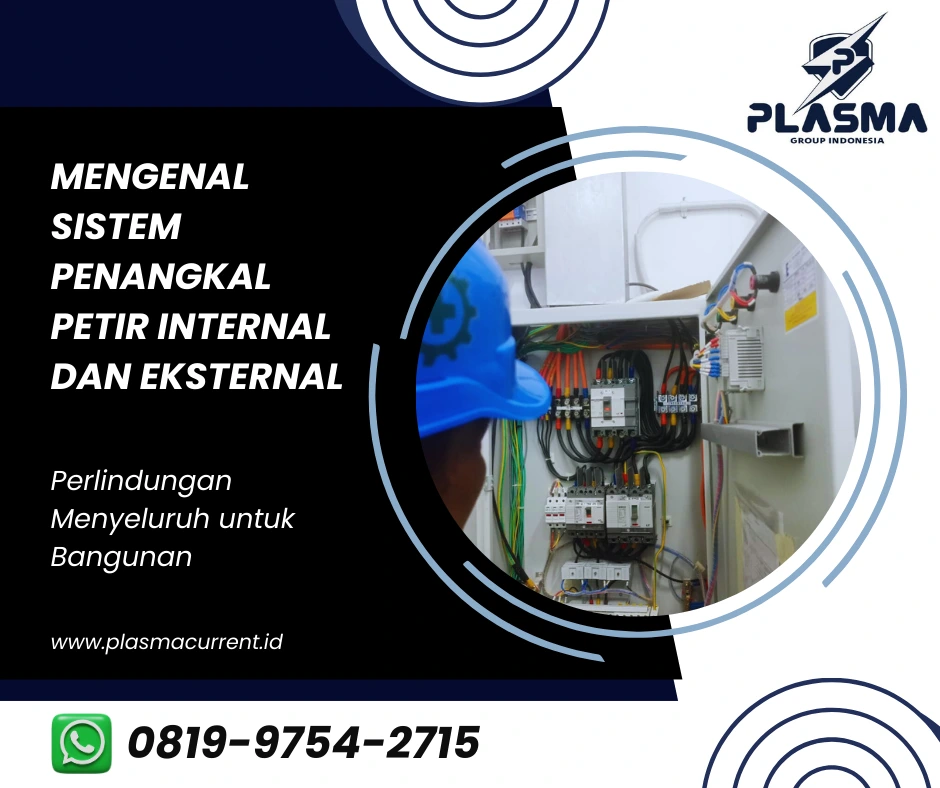
Mengenal Sistem Penangkal Petir Internal dan Eksternal

mengenal sistem penangkal petir internal dan eksternal

jasa pasang grounding pabrik plasma group indonesia mengenal sistem penangkal petir internal dan eksternal

Petir adalah fenomena alam yang dapat menyebabkan kerusakan besar pada bangunan, perangkat elektronik, bahkan membahayakan jiwa manusia. Oleh karena itu, memasang sistem penangkal petir internal dan eksternal menjadi langkah penting dalam memberikan perlindungan menyeluruh terhadap bahaya petir. Sistem ini tidak hanya mengamankan struktur bangunan dari sambaran langsung, tetapi juga melindungi perangkat dalam ruangan dari lonjakan tegangan akibat induksi elektromagnetik. Dalam artikel ini, kita akan membahas secara mendalam tentang apa itu sistem penangkal petir internal dan eksternal, bagaimana cara kerjanya, serta manfaat dan komponennya.

Apa Itu Sistem Penangkal Petir Internal dan Eksternal?

Secara umum, sistem penangkal petir dibagi menjadi dua jenis utama: sistem penangkal petir eksternal dan sistem penangkal petir internal.

  1. Sistem Penangkal Petir Eksternal adalah sistem yang dirancang untuk menangkap dan menyalurkan sambaran petir secara langsung ke tanah melalui jalur yang aman. Sistem ini mencakup penangkap petir (air terminal), konduktor penyalur, dan sistem pentanahan (grounding).

  2. Sistem Penangkal Petir Internal adalah sistem proteksi terhadap lonjakan arus atau tegangan yang dapat masuk ke dalam bangunan melalui jaringan listrik, telepon, atau komunikasi. Sistem ini biasanya menggunakan Surge Protective Devices (SPD) atau alat pelindung lonjakan tegangan yang dipasang pada panel listrik dan jalur komunikasi.

Keduanya bekerja secara sinergis untuk memberikan perlindungan maksimal. Tanpa keberadaan sistem penangkal petir internal dan eksternal, bangunan sangat rentan terhadap kerusakan struktural maupun gangguan fungsi peralatan elektronik.

Komponen Sistem Penangkal Petir Eksternal

Sistem eksternal bertugas untuk menangkap petir dan mengarahkannya ke tanah. Komponennya meliputi:

1. Air Terminal (Kepala Penangkal Petir)

Bagian ini berfungsi sebagai penangkap pertama sambaran petir. Biasanya dipasang pada titik tertinggi bangunan seperti atap, menara, atau tiang khusus. Air terminal bisa berupa batang logam sederhana hingga sistem aktif seperti Early Streamer Emission (ESE).

2. Konduktor Penyalur

Konduktor adalah kabel penghantar yang mengalirkan arus petir dari air terminal ke sistem grounding. Harus memiliki konduktivitas tinggi dan tahan terhadap suhu ekstrem, biasanya menggunakan tembaga atau aluminium.

3. Grounding (Pentanahan)

Grounding adalah sistem pembumian yang menyebarkan arus petir ke dalam tanah dengan aman. Efektivitas grounding sangat bergantung pada nilai resistansi tanah—semakin kecil nilai resistansinya, semakin baik sistem penyalurannya.

Tanpa sistem ini, bangunan bisa mengalami kebakaran akibat panas yang dihasilkan petir, atau bahkan meledak jika sambaran petir mengenai bagian sensitif bangunan.

Klik disini: Jasa Pemasangan Sistem Penangkal Petir Internal dan Eksternal Terpercaya – Konsultasi Gratis Sekarang!

Komponen Sistem Penangkal Petir Internal

Jika sistem eksternal menangani ancaman dari luar, maka sistem internal mengatasi efek tidak langsung dari sambaran petir, seperti lonjakan arus listrik yang dapat merusak perangkat elektronik.

1. Surge Protection Device (SPD)

SPD adalah alat yang dipasang di panel listrik untuk membatasi tegangan berlebih yang masuk ke dalam sistem kelistrikan. Alat ini secara otomatis membuang lonjakan arus ke tanah sehingga tidak merusak peralatan.

2. Proteksi Jalur Data dan Telekomunikasi

Selain jalur listrik, petir juga dapat masuk melalui kabel data dan komunikasi. Oleh karena itu, proteksi terhadap jalur ini diperlukan, misalnya dengan memasang SPD khusus untuk jaringan data.

3. Koordinasi Penempatan dan Zoning

Sistem penangkal petir internal dan eksternal harus dirancang dengan memperhatikan zona proteksi di dalam bangunan. Pengelompokan perangkat penting dalam satu zona yang terlindungi dapat meningkatkan efektivitas perlindungan.

Cara Kerja Sistem Penangkal Petir Internal dan Eksternal

Saat terjadi sambaran petir, sistem eksternal bertugas menangkap energi petir dan menyalurkannya ke tanah secepat mungkin. Dalam waktu yang hampir bersamaan, sistem internal akan menghalangi lonjakan arus masuk ke dalam instalasi listrik dengan cara menstabilkan tegangan dan membuang kelebihan arus ke tanah melalui SPD.

Keduanya bekerja dalam waktu yang sangat singkat (milidetik) untuk memastikan tidak ada bagian dari bangunan maupun perangkat dalam yang menerima beban lebih. Sistem penangkal petir internal dan eksternal bekerja sebagai satu kesatuan yang saling melengkapi.

Manfaat Pemasangan Sistem Penangkal Petir Internal dan Eksternal

Manfaat dari pemasangan sistem ini sangat besar, terutama bagi bangunan yang berisi perangkat elektronik bernilai tinggi, seperti gedung perkantoran, rumah sakit, sekolah, pabrik, dan pusat data.

Manfaatnya antara lain:

  • Perlindungan struktur fisik bangunan dari kerusakan akibat sambaran langsung

  • Mencegah kebakaran yang disebabkan oleh lonjakan arus

  • Melindungi perangkat elektronik dan data dari kerusakan atau kehilangan

  • Menjamin kontinuitas operasional pada bangunan komersial dan industri

  • Mengurangi potensi kerugian ekonomi akibat kerusakan dan downtime

Dengan kata lain, sistem penangkal petir internal dan eksternal adalah investasi proteksi yang sangat penting dan wajib ada dalam perencanaan instalasi bangunan modern.

Standar dan Regulasi

Pemasangan sistem penangkal petir harus mengikuti standar nasional dan internasional agar sistem berfungsi optimal dan aman. Beberapa standar yang digunakan antara lain:

  • SNI 03-7015 untuk instalasi penangkal petir di Indonesia

  • IEC 62305 dari International Electrotechnical Commission

  • NFPA 780 dari National Fire Protection Association

Standar-standar ini mengatur aspek teknis seperti desain, ketinggian penangkap, pengukuran resistansi grounding, hingga penempatan SPD. Konsultasi dengan ahli instalasi sangat disarankan agar desain sistem penangkal petir internal dan eksternal Anda sesuai dengan kebutuhan bangunan dan lingkungan sekitarnya.

Kesalahan Umum dalam Pemasangan

Sayangnya, masih banyak bangunan yang memasang sistem penangkal petir secara asal atau hanya sebagian saja. Berikut beberapa kesalahan yang sering terjadi:

  • Hanya memasang sistem eksternal tanpa sistem internal

  • Grounding yang buruk dengan resistansi tinggi

  • Tidak memasang SPD pada panel distribusi

  • Tidak melakukan pengujian sistem secara berkala

Kesalahan tersebut membuat sistem penangkal petir internal dan eksternal tidak efektif dan dapat membahayakan keselamatan penghuni serta merusak peralatan.

Dalam dunia modern yang sangat bergantung pada kelistrikan dan teknologi, keberadaan sistem penangkal petir internal dan eksternal bukan lagi pilihan, melainkan kebutuhan. Perlindungan harus dilakukan secara menyeluruh—dari sambaran langsung hingga lonjakan tegangan sekecil apa pun.

Sistem penangkal petir eksternal menjaga struktur fisik bangunan dari sambaran langsung, sedangkan sistem penangkal petir internal menjaga perangkat dalam bangunan tetap aman dari efek induksi. Kombinasi keduanya menciptakan perlindungan menyeluruh yang sangat diperlukan terutama pada bangunan vital dan bernilai tinggi.

Pastikan Anda tidak hanya memasang, tetapi juga merawat dan menguji sistem ini secara berkala agar fungsi proteksinya tetap optimal. Dengan sistem penangkal petir internal dan eksternal yang dirancang dengan benar, Anda dapat tidur lebih nyenyak saat badai datang.

mengenal sistem penangkal petir internal dan eksternal

Ingin tahu lebih lanjut tentang info tentang mengenal sistem penangkal petir internal dan eksternal, maupun info solusi proteksi petir lainnya?
Kunjungi www.plasmacurrent.id atau hubungi kami di 0819-9754-2715
How Do Buildings Avoid Lightning?

how do buildings avoid lightning 8 methods buildings use to avoid lightning

how do buildings avoid lightning

When a thunderstorm looms overhead and lightning strikes begin to illuminate the sky, one question often comes to mind: how do buildings avoid lightning? Lightning is an immensely powerful natural force, capable of causing fires, structural damage, and even fatalities. Fortunately, with advances in engineering and safety design, modern buildings employ a variety of methods to mitigate the risk of lightning strikes.

In this article, we’ll explore 8 effective methods buildings use to avoid lightning, and answer in depth the recurring question: how do buildings avoid lightning?

1. Lightning Rods: The First Line of Defense

The most well-known method is the use of lightning rods, also called air terminals. These are metal rods installed at the highest points of a building, like rooftops or towers. Their main function is to provide a direct path for lightning to follow, safely conducting it to the ground.

So, how do buildings avoid lightning with lightning rods? The answer lies in physics: lightning always seeks the path of least resistance to the ground. A lightning rod, connected to a conductor and grounding system, offers a low-resistance route, protecting the building structure from taking the hit directly.

2. Grounding Systems: Where the Electricity Goes

A lightning rod is useless without a proper grounding system. This is a critical part of the answer to how do buildings avoid lightning? Once lightning is captured by the rod, it needs to be safely discharged into the earth. That’s where grounding electrodes and conductors come into play.

Modern buildings use ground rods, grounding plates, or a grounding ring to dissipate electrical energy. A well-designed grounding system ensures the lightning’s electrical charge doesn’t linger in the structure, preventing fires and electrical surges.

3. Bonding of Metallic Structures

Another underrated strategy in how do buildings avoid lightning is metallic bonding. When a building has multiple metallic parts—such as water pipes, air ducts, metal roofs, or frames—it’s important to connect all of them using conductive cables.

Bonding equalizes the electrical potential between different parts of the building. If not bonded, lightning energy can jump between disconnected metal objects, leading to dangerous sparks or even explosions inside the building.

4. Surge Protection Devices (SPDs)

Not all damage from lightning comes from a direct strike. Often, electrical surges caused by lightning can travel through power lines and enter buildings, frying electronics and appliances.

How do buildings avoid lightning-induced surges? Through Surge Protection Devices (SPDs). These devices are installed in the building’s electrical panel to intercept and neutralize overvoltages, protecting sensitive systems like computers, HVAC controls, and security systems.

5. Faraday Cage Design

High-tech buildings, laboratories, and data centers sometimes employ the Faraday cage concept to prevent lightning damage. A Faraday cage is a conductive enclosure that surrounds and protects the internal components of a building by dispersing electrical energy around, rather than through, the interior.

This concept provides a powerful answer to how do buildings avoid lightning—by effectively creating a shield that redirects the electric energy away from sensitive equipment and people inside.

6. Use of Non-Conductive Building Materials

While not a standalone solution, material selection also plays a role in reducing lightning risk. How do buildings avoid lightning through materials? By choosing less conductive components, especially for roofing and exterior walls, builders can minimize the likelihood of attracting lightning.

For example, using ceramic tiles or composite roofing instead of metal roofing reduces the attraction to electrical discharges. However, this method is supplementary and should always be combined with an active lightning protection system.

7. Regular Lightning Risk Assessments

Prevention starts with understanding. Many modern facilities regularly conduct lightning risk assessments to determine their vulnerability. Engineers examine factors such as building height, location, local weather patterns, and structure materials.

How do buildings avoid lightning with this approach? By identifying weak points before a lightning strike occurs, facility managers can reinforce or upgrade the lightning protection system in a proactive manner.

8. Compliance with National and International Standards

A key method often overlooked is simply following codes and standards. International bodies like NFPA 780 (National Fire Protection Association) and IEC 62305 provide guidelines for proper lightning protection systems.

So again, how do buildings avoid lightning through standards? These codes ensure that designs, installations, and materials meet safety benchmarks. Buildings that comply with these regulations are statistically less likely to suffer severe lightning damage.

Why Tall Buildings Are More Vulnerable

You might wonder, do tall buildings get struck more often? Yes, absolutely. The taller a structure is, the more likely it is to be struck. However, tall buildings like skyscrapers rarely suffer catastrophic damage from lightning. Why? Because they’re engineered with robust, multi-layered protection systems, all built around the question: how do buildings avoid lightning?

From dozens of lightning rods to vast grounding grids and SPDs for every electrical circuit, these systems ensure that lightning strikes are channeled safely to the ground without harming the structure or its occupants.

Real-World Examples of Lightning Protection

Many iconic buildings around the world serve as case studies in lightning protection:

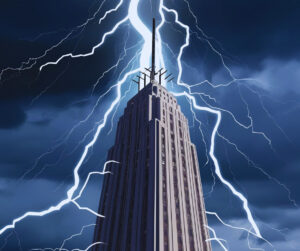
  • The Empire State Building in New York gets struck by lightning an average of 25 times per year. Yet, it has never suffered major damage thanks to its well-designed protection systems.

  • Burj Khalifa in Dubai, the world’s tallest building, employs a sophisticated network of lightning rods and grounding grids.

  • Even historical structures like churches and monuments are now being retrofitted with modern lightning protection to answer the ongoing challenge: how do buildings avoid lightning?

Lightning is unpredictable, but that doesn’t mean it’s unmanageable. Thanks to modern engineering and a deep understanding of electrical principles, buildings today are far better protected than ever before.

By combining methods such as lightning rods, grounding systems, surge protection, Faraday cages, and code compliance, the architecture and construction industries have answered the question over and over again: how do buildings avoid lightning?

Whether it’s a tall skyscraper, a residential home, or a historical monument, lightning safety is not an afterthought—it’s a core design consideration. And as our cities continue to grow vertically, ensuring every structure can withstand nature’s electrical fury becomes more important than ever.


Remember, the next time you see a lightning bolt in the sky, consider the silent technology working behind the scenes to keep buildings safe. Because when it comes to answering how do buildings avoid lightning, the answer is a mix of science, engineering, and thoughtful design.


how do buildings avoid lightning 8 methods buildings use to avoid lightning

Want to learn unique facts about how do buildings avoid lightning or another information about lightning protection solutions?
Visit www.plasmacurrent.id or contact us at +62819-9754-2715

ESE Lightning Protection: Work Principle Explanation

early streamer emission ese lightning protection an explanation of ese working principle

early streamer emission ese lightning protection explanation

Lightning is a natural phenomenon that can cause catastrophic damage to buildings, electronic systems, and even human life. Protecting structures from lightning strikes is crucial, especially in high-risk areas. One of the most advanced methods used today is the ESE lightning protection system, which stands for Early Streamer Emission. This technology offers improved efficiency compared to conventional lightning rods. But how does it work? Let’s explore in detail the working principle of ESE lightning protection and why it’s becoming the preferred choice for many modern infrastructures.

What is ESE Lightning Protection?

ESE lightning protection is a system designed to intercept lightning strikes before they reach a structure, using advanced technology that triggers the upward streamer earlier than traditional rods. By doing so, it offers a greater protective radius and minimizes the risk of structural damage. ESE technology is often used in industrial buildings, telecommunications towers, airports, oil refineries, and other sensitive or tall structures.

Unlike conventional Franklin rods, which rely purely on passive interception, ESE lightning protection systems actively enhance the ionization process during storm conditions. This proactive approach significantly increases the chances of safely capturing and grounding lightning strikes.

The Working Principle of ESE Lightning Protection

To understand how ESE lightning protection works, we need to explore the natural process of lightning formation and how the ESE device interacts with it.

1. Formation of the Electric Field

During a thunderstorm, clouds accumulate electrical charges. The bottom of the cloud becomes negatively charged, inducing a positive charge on the ground and nearby structures. This charge imbalance creates a strong electric field between the cloud and the ground.

2. Development of the Downward Leader

As the electric field intensifies, a stepped downward leader—a stream of ionized air—starts moving toward the ground. This downward leader is searching for the most conductive path to complete the circuit.

3. ESE Device Sensing the Field

The ESE lightning protection system contains an integrated sensor or triggering device that continuously monitors atmospheric electric fields. When it detects a rapid rise in the electric field strength (indicating a high probability of a lightning strike), the system activates.

4. Early Streamer Emission

This is the core of early streamer emission lightning protection. Once the system senses a critical electric field threshold, it emits an upward streamer earlier than traditional systems. This streamer races to meet the downward leader.

The earlier initiation of the upward streamer gives the ESE system a larger zone of protection. This is why Early Streamer Emission lightning protection systems can cover wider areas, sometimes with a radius exceeding 100 meters depending on the height and model used.

5. Interception and Safe Grounding

When the upward and downward leaders connect, the lightning discharge occurs. Since the ESE system guided the discharge path, the energy is safely directed into the ground via a properly designed grounding system.

By preempting the lightning strike, ESE lightning protection ensures that the high-voltage current does not reach sensitive equipment or personnel, but is instead neutralized safely.

Components of an Early Streamer Emission Lightning Protection System

A complete ESE lightning protection system typically consists of:

  • ESE Air Terminal: The device that initiates the early streamer.

  • Down Conductors: Cables that carry the lightning current safely to the ground.

  • Grounding System: A system of rods or plates buried in the earth to dissipate the electrical charge.

  • Surge Protection Devices (SPDs): Optional devices to protect electronics from induced surges.

All components must work together to ensure the reliability of the ESE lightning protection system.

Advantages of ESE Lightning Protection

There are several compelling reasons why many engineers and building owners prefer ESE lightning protection:

1. Larger Protection Radius

Due to the early emission of streamers, one ESE air terminal can protect a wide area, reducing the number of required installations on large buildings or campuses.

2. Cost Efficiency

With fewer components needed for broader protection, ESE lightning protection often becomes more cost-effective in large-scale applications compared to traditional methods.

3. Compliance with International Standards

Many ESE devices are designed according to NFC 17-102 and other international standards, ensuring their reliability and consistency in performance.

4. Minimal Aesthetic Disruption

Because fewer rods are needed and they are often mounted high on buildings, ESE lightning protection systems tend to be less intrusive to the architectural appearance.

Applications of ESE Lightning Protection

ESE lightning protection is ideal for:

  • Skyscrapers and tall commercial buildings

  • Historic monuments and cultural heritage sites

  • Airports and helipads

  • Oil and gas facilities

  • Schools, hospitals, and large institutions

  • Warehouses and industrial plants

Wherever lightning poses a risk, ESE lightning protection offers a reliable safeguard.

Maintenance and Periodic Inspection

To maintain peak performance, that systems should undergo regular inspection. This includes checking:

  • The integrity of the air terminal

  • Connection tightness in down conductors

  • Continuity and resistance of the grounding system

  • Functionality of surge protection devices

Periodic maintenance ensures that the ESE lightning protection system continues to provide effective coverage year-round.

Is ESE Lightning Protection Right for Your Building?

If your building is located in a high-risk lightning area or is particularly tall or isolated, ESE lightning protection may be the best option. It not only increases protection but also offers long-term cost savings and peace of mind. Engineering consultants or lightning protection specialists can help you assess your needs and design a compliant system tailored to your structure.

In summary, ESE lightning protection represents a significant evolution in the field of lightning safety. By emitting early streamers, these systems offer a proactive and wide-reaching defense against potentially devastating lightning strikes. Their efficient working principle, larger protection radius, and reliability make them the top choice for many critical applications across the world.

Whether for industrial complexes, commercial buildings, or heritage sites, it stands as a smart investment in safety and infrastructure longevity.

early streamer emission ese lightning protection an explanation of ese working principle

Want to learn unique facts about early streamer emission ESE lightning protection work principle or another information about lightning protection solutions?
Visit www.plasmacurrent.id or contact us at +62819-9754-2715

Lightning Protection System Design Fundamental

lightning protection system design fundamental an introduction to lightning protection system fundamentals plasma group indonesia

lightning protection system fundamentals

As global weather patterns shift and the frequency of severe storms increases, lightning strikes are becoming an even more pressing concern for homes, commercial buildings, and industrial sites. Each year, thousands of structures are damaged or destroyed due to lightning, resulting in costly repairs, business interruptions, and in some cases, loss of life. That’s why understanding the lightning protection system design is critical for engineers, architects, and building owners alike.

In this article, we’ll explore the fundamentals of lightning protection system design, covering its key components, design principles, standards, and best practices. By the end, you’ll have a solid foundation on how a well-designed lightning protection system works—and why it matters.


What Is a Lightning Protection System?

A lightning protection system (LPS) is a network of strategically placed components designed to intercept, conduct, and safely dissipate lightning strikes to the ground, thereby protecting the structure and its occupants from harm. Effective lightning protection system design is based on physics, engineering, and a deep understanding of how lightning behaves.

The primary goal of such a system is not to prevent lightning from striking but to control where it strikes and how its energy is safely managed.

The Four Fundamental Components of Lightning Protection System Design

A complete lightning protection system design includes four critical elements that work together to protect a structure:

1. Air Terminals (Lightning Rods)

Air terminals are the first point of contact for a lightning strike. These are metal rods or devices (such as ESE air terminals) installed on the highest points of a structure—rooftops, spires, chimneys, etc. Their role is to offer a preferred, elevated target for lightning, safely intercepting the discharge before it can strike other parts of the building.

2. Down Conductors

These are the conductive paths that carry the intercepted lightning energy from the air terminals down to the ground. Proper lightning protection system design dictates that these conductors must follow the shortest and straightest path possible, minimizing resistance and avoiding sharp bends that could cause side-flashing or arcing.

3. Grounding System

Once lightning energy reaches the base of the structure, it must be safely discharged into the Earth. The grounding system typically consists of ground rods, plates, or a grounding ring. For optimal performance, the design must ensure low ground resistance, usually below 10 ohms (depending on local regulations).

4. Equipotential Bonding

This component ensures that all metallic systems—such as plumbing, electrical conduits, HVAC units—are electrically bonded to the lightning protection system. Proper bonding minimizes the potential for side-flashes or induced voltage surges that can damage internal systems.

Key Principles in Lightning Protection System Design

A high-quality lightning protection system design must follow certain engineering principles to ensure safety, reliability, and compliance. Here are the essential fundamentals:

A. Risk Assessment

Before designing an LPS, it’s critical to evaluate the building’s exposure to lightning. Risk assessments consider:

  • Geographic lightning density (isokeraunic level)

  • Building height and structure

  • Occupancy type (residential, industrial, etc.)

  • Value of contents and equipment inside the building

  • Environmental impact of a lightning event

The result determines whether protection is needed and what level is appropriate.

B. Protection Zone Calculations

Protection zones are areas shielded from direct lightning strikes, defined by the rolling sphere method, cone of protection, or mesh method. These methods help determine the placement and height of air terminals and ensure full coverage of the structure.

  • Rolling Sphere Method: A theoretical sphere (typically 60 m in radius) is rolled over the structure. Any point the sphere touches is considered vulnerable.

  • Cone of Protection: Often used for simpler designs, where a cone-shaped protective area is calculated from the top of an air terminal.

  • Mesh Method: Involves installing a network of conductors over the rooftop forming a mesh that intercepts lightning.

C. Conductor Path Optimization

The conductors in the system must offer minimal impedance. According to lightning protection system design standards (such as NFPA 780 or IEC 62305), the conductors should:

  • Avoid sharp bends (not exceeding 90°)

  • Be routed symmetrically when possible

  • Be securely fixed and protected from mechanical damage

D. Grounding and Soil Resistivity

The effectiveness of the grounding system depends heavily on soil resistivity. In areas with high-resistance soil (like rocky or sandy environments), chemical ground rods, enhanced grounding material (GEM), or grounding rings may be required. A low-resistance path is vital to ensure that the energy dissipates quickly and harmlessly.

Lightning Protection System Design Standards

Effective lightning protection system design must comply with recognized international and national standards. The most commonly used include:

  • IEC 62305: International standard covering protection against lightning in structures and their internal systems.

  • NFPA 780 (USA): Specifies minimum requirements for LPS in residential, commercial, and industrial buildings.

  • SNI 03-7015 (Indonesia): National standard governing design and installation requirements in Indonesia.

These standards outline the calculation methods, material requirements, spacing rules, and maintenance procedures to ensure systems are safe and functional.

Internal Lightning Protection: Surge Protection Devices (SPDs)

An external lightning protection system isn’t enough if the building contains sensitive electronics. Lightning protection system design must also include internal protection, such as:

  • Type 1 SPD at the main service entrance

  • Type 2 SPD for distribution panels

  • Type 3 SPD near critical or sensitive devices (servers, alarms, medical equipment)

These devices protect against voltage spikes caused by lightning-induced surges entering via power lines or signal cables.

Best Practices for Lightning Protection System Design

Here are expert recommendations for an effective design:

  1. Conduct a professional risk analysis before installing any system.

  2. Use quality-tested materials with corrosion resistance and certification.

  3. Integrate the LPS early in the architectural design process.

  4. Ensure continuity and proper bonding throughout the system.

  5. Schedule periodic inspections and resistance testing, especially after major lightning storms.


A well-executed lightning protection system design can be the difference between minor inconvenience and catastrophic damage. As lightning remains a natural threat that cannot be controlled, managing its impact through proper system design is both a technical and safety imperative.

From rooftop air terminals to ground-enhancing materials, every element plays a critical role. Whether you’re protecting a residential home, a data center, or a factory, understanding the lightning protection system design fundamentals ensures you’re not leaving safety to chance.

If you’re planning a new project or looking to retrofit an existing building, consult with certified professionals and insist on compliance with current standards. In an era of rising storm frequency, lightning protection isn’t just an option—it’s a necessity.

lightning protection system design fundamentals an introduction to lightning protection system fundamentals plasma group indonesia

Want to learn unique facts about lightning protection system design fundamentals or another information about lightning protection solutions?
Visit www.plasmacurrent.id or contact us at +62819-9754-2715

Rooftop Lightning Protection Installation: Plasma Current Air Terminal

roof top lightning protection installation future proef your home plasma current lightning protection sempurna karya esa

rooftop lightning protection installation with plasma current air terminal radius ese technology plasma technology

When thunder roars and lightning cracks through the sky, your home becomes vulnerable to one of nature’s most powerful forces. Every year, thousands of homes suffer from lightning-related damage—fires, fried electronics, structural harm, and even life-threatening situations. That’s why rooftop lightning protection installation is no longer a luxury; it’s a necessity. And if you’re serious about protecting your property, there’s one name you need to remember: Plasma Current lightning protection.

Why Rooftop Lightning Protection Installation Is Crucial

Lightning doesn’t discriminate. Whether you live in the city, countryside, or near coastal areas, the risk is real. A single lightning strike can carry up to one billion volts of electricity. That’s more than enough to destroy electrical systems, ignite fires, and cause irreversible damage to your home.

That’s where rooftop lightning protection installation comes into play. Installing a lightning protection system ensures that lightning is safely intercepted and directed into the ground, avoiding damage to your home and loved ones. But not all systems are created equal. Traditional lightning rods only cover a limited area and may not be sufficient for modern homes with complex designs and sensitive electronics.

Enter the next generation: Plasma Current lightning protection.

Introducing Plasma Current Lightning Protection: The Future Is Here

Plasma Current is a cutting-edge brand in the field of lightning protection technology. At the heart of this system is the Plasma Current air terminal, an Early Streamer Emission (ESE) device designed to lead the charge—literally—when lightning is in the area.

Unlike conventional rods, the Plasma Current lightning protection system doesn’t wait for lightning to strike. Instead, it actively emits an upward streamer that intercepts the lightning before it can get close to your roof, offering a significantly wider protection radius.

The Star: Plasma Current Air Terminal

The Plasma Current air terminal is the crown jewel of your rooftop lightning protection installation. Built with advanced ESE technology, this air terminal is designed to:

  • Trigger earlier than conventional rods, giving it a head start to intercept lightning.

  • Protect wider areas (up to a 100-meter radius depending on the model and height).

  • Withstand harsh environmental conditions, thanks to its durable stainless steel and weather-resistant materials.

  • Comply with international standards like NFC 17-102 and SNI requirements.

This isn’t just a rod; it’s a smart, active protector engineered for the realities of today’s unpredictable weather.

5 Reasons to Choose Plasma Current for Your Rooftop Lightning Protection Installation

1. Superior Coverage

With just one Plasma Current air terminal, your home gets a broader area of protection compared to multiple conventional rods. This efficiency makes your rooftop lightning protection installation more effective and aesthetically cleaner.

2. Reliable Performance in All Weather

Whether it’s heavy rain, wind, or corrosion-prone environments near the sea, Plasma Current lightning protection stands firm. Its robust design ensures it functions optimally even in the harshest climates.

3. Quick and Professional Installation

Plasma Current comes with certified installation partners who handle your rooftop lightning protection installation with precision. From site surveys to testing grounding resistance, the process is smooth, safe, and professionally managed.

4. A Brand You Can Trust

Developed and manufactured in Indonesia, Plasma Current lightning protection is backed by years of research, local expertise, and strong compliance with safety standards. It’s trusted by industrial facilities, hospitals, schools, and government buildings nationwide.

5. Peace of Mind for Your Family

There’s no substitute for safety. With Plasma Current lightning protection, you’re not just protecting structures; you’re protecting memories, loved ones, and your future.

How the Rooftop Lightning Protection Installation Process Works

  1. Site Assessment
    A team of professionals will assess your home’s design, location, and risk profile.

  2. System Design
    Based on the assessment, an appropriate Plasma Current air terminal model will be selected, along with down conductors and grounding enhancements.

  3. Installation
    The terminal is mounted on the rooftop’s highest point. Copper or aluminum conductors are run safely along the building exterior, connected to grounding rods or a GEM-enhanced grounding system.

  4. Testing and Commissioning
    After installation, grounding resistance is tested to ensure lightning energy will dissipate effectively. The entire system is then certified.

Plasma Current Is Not Just for Luxury Homes

Whether you own a simple one-story house, a multi-story villa, or a home office with sensitive electronics, Plasma Current lightning protection can be scaled to suit your needs. Lightning doesn’t only target high-rises—it targets wherever it can discharge energy. That’s why rooftop lightning protection installation with a Plasma Current air terminal is essential for any home, not just premium buildings.

Combine with Surge Protection for Total Safety

A lightning strike doesn’t just affect your roof; it can induce massive surges in electrical wiring, damaging TVs, computers, and appliances. To complete your protection, Plasma Current solutions often include optional Surge Protection Devices (SPD) that shield your electronics from internal harm.

So when planning your rooftop lightning protection installation, make sure you ask about integrated surge protection for full-spectrum defense.

Future-Proofing Means Acting Today

Climate change has increased the frequency and intensity of storms. Waiting until after a lightning strike causes damage is too late. Proactive homeowners are investing now in Plasma Current lightning protection, not just for compliance, but for peace of mind.

Every time the sky darkens and thunder begins to rumble, you’ll rest easier knowing your family and property are shielded by one of the most advanced lightning protection systems available.


Your home is more than bricks and mortar. It holds your dreams, family, and memories. Don’t leave its safety to chance. With a professionally installed rooftop lightning protection installation featuring the Plasma Current air terminal, you’re not only making a smart technical choice—you’re making an investment in your family’s future.

Plasma Current lightning protection isn’t just a product. It’s a promise of safety, resilience, and confidence every time a storm rolls in.

roof top lightning protection installation future proef your home plasma current lightning protection plasma group indonesia plasma gem plasma splitzen 1804

Want to learn unique facts about rooftop lightning protection installation or another information about lightning protection solutions?
Visit www.plasmacurrent.id or contact us at +62819-9754-2715