Grounding is one of the most important parts of any electrical system. It keeps us safe by directing extra electricity into the ground, preventing electric shocks, fires, and damage to our devices. But what happens when the grounding system doesn’t work properly?
In this article, we’ll explain what can go wrong with grounding, the warning signs, and why fixing it quickly is so important.
🧲 What Is an Electrical Grounding System?
The grounding system is a network of wires and metal rods that connect your electrical system to the ground (earth). It’s designed to:
-
Direct excess electricity safely into the soil
-
Protect people from electric shocks
-
Keep appliances and electronics safe
-
Prevent fires caused by electrical faults
🚨 What Happens If the Grounding System Fails?
When grounding goes wrong, several dangerous things can happen:
1. Electric Shock Risk Increases
If your appliances or metal surfaces (like faucets, stoves, or fridge doors) become energized and there’s no proper ground, touching them could give you a painful or even deadly electric shock.
2. Appliances and Devices May Break
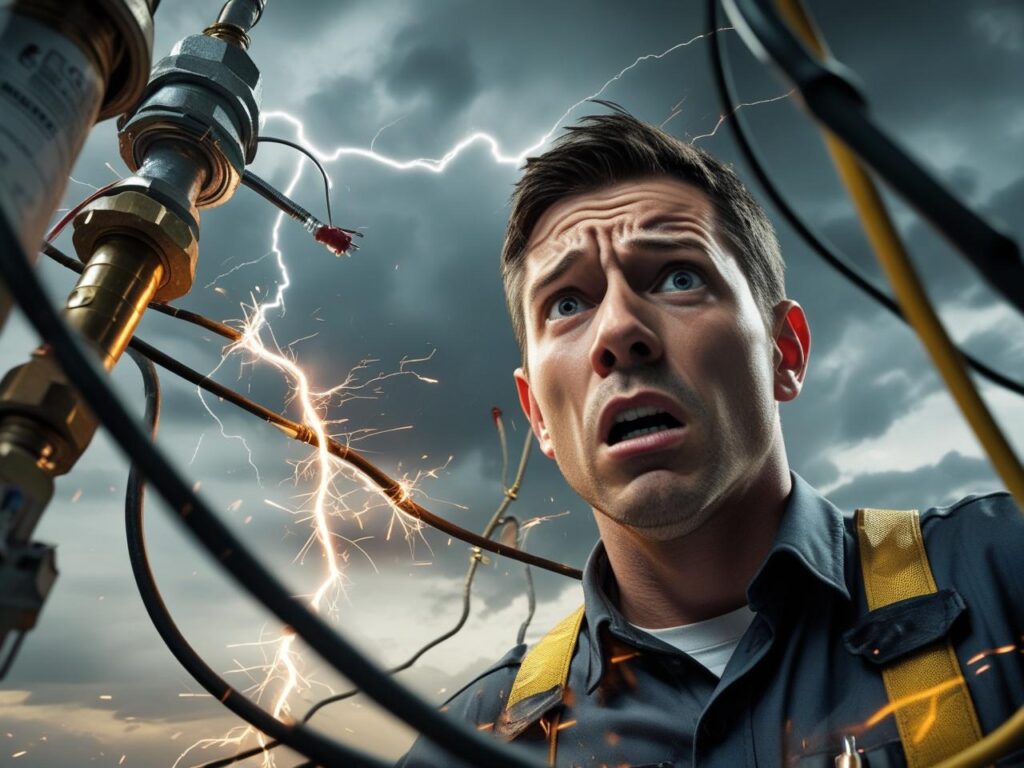
Without grounding, electrical surges (from lightning or power grid issues) can flow through your devices. This can destroy sensitive electronics like TVs, laptops, air conditioners, and more.
3. Fire Hazard
Poor or missing grounding can cause sparks. In some cases, faulty wires can overheat and catch fire. Electrical fires are one of the top causes of house fires worldwide.
4. Lightning Damage
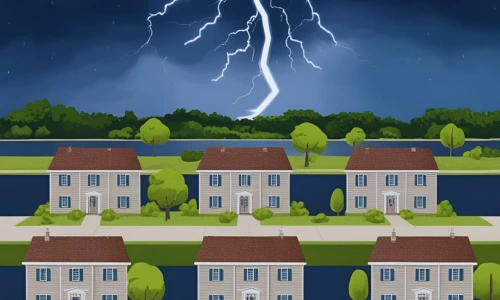
During thunderstorms, lightning can hit your home or power lines. Without a working ground system, the energy has nowhere to go — leading to explosions, melted wires, or damaged roofs.
5. Circuit Breakers May Fail
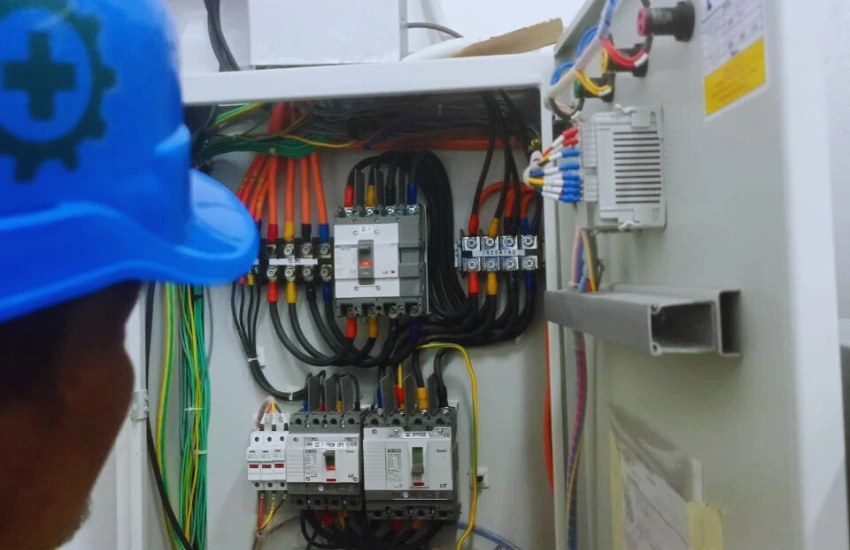
Your circuit breakers may not trip properly if grounding is faulty. This means a short circuit might continue running — causing further damage and risks.
🧪 How Do You Know If Something Is Wrong with the Grounding?
Look out for these warning signs:
-
You feel a small shock when touching metal objects
-
Lights flicker or dim for no reason
-
Circuit breakers trip often
-
Electrical outlets are warm or smell burnt
-
Electronics stop working suddenly
-
Old or rusted grounding rods (if visible)
If you notice any of these, it’s time to call a qualified lightning protection service right away.
🔧 Common Reasons Grounding Systems Fail
-
Disconnected or Loose Ground Wires
A ground wire can come loose due to poor installation or movement over time. -
Corroded Grounding Rods
Ground rods buried in soil can rust or decay, especially in wet or salty environments. -
Rod Not Driven Deep Enough
If the rod isn’t installed at the proper depth (usually 8 feet), the system won’t ground electricity properly. -
Breaks in the Grounding Wire
Rodents, digging, or old age can damage grounding wires underground. -
Improper Bonding
Electrical panels, water pipes, and other systems may not be bonded (connected) correctly to the ground.
⚙️ What Happens to the Ground Wire in a Faulty System?
If the grounding is bad, the ground wire can:
-
Become energized, carrying current instead of staying safe
-
Fail to trip breakers, which leads to continued power flow in dangerous situations
-
Transfer voltage to metal surfaces like pipes, causing shock risks
📉 What If There’s No Grounding at All?
In buildings with no grounding system, the risks are even higher:
-
Every short circuit becomes a serious fire hazard
-
Any faulty appliance can send current through the user
-
Lightning can destroy entire systems
-
Sensitive devices like computers, TVs, and smart gadgets can get fried easily
Many older homes built before the 1960s have no or outdated grounding. These should be upgraded immediately.
✅ How to Check If Your Grounding Is Working
There are a few ways to test:
-
Use a Socket Tester
Plug it into an outlet to see if it’s grounded. These are cheap and found at hardware stores. -
Multimeter Method
Measure voltage between the live (hot) wire and the ground. A working system will show normal readings. -
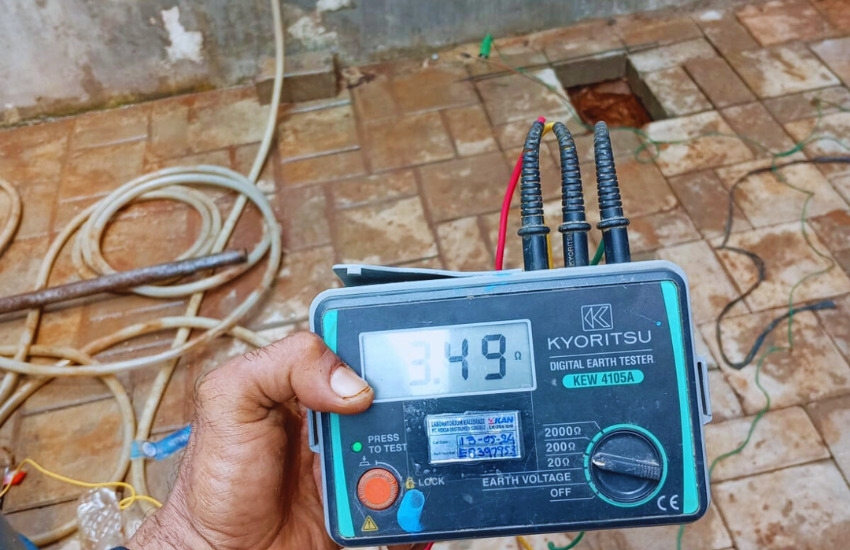
Professional Ground Resistance Test
Electricians use special tools to check if your grounding system meets safety standards (usually less than 25 ohms resistance).
🛠️ Can You Fix a Bad Grounding System?
Yes — but never try to fix it yourself unless you are trained. Here’s what a professional might do:
-
Reconnect or replace broken wires
-
Replace corroded or damaged ground rods
-
Add extra grounding rods if needed
-
Ensure all parts of the system are properly bonded
🧯 Why You Shouldn’t Ignore Grounding Problems
Even if the lights are on and the house seems fine, a failed grounding system is like a car without brakes — it only takes one mistake or storm to cause disaster.
It’s also required by law and building codes in most countries. Inspections often check grounding systems before approving new buildings or renovations.
The grounding system may be out of sight, but it should never be out of mind. It protects your home, your family, and everything that runs on electricity. If it goes wrong, it can lead to shocks, fires, and costly damage.
Always take grounding seriously. If you suspect something’s wrong, call an expert to inspect and fix it.
FAQs
Q: Can I touch a grounding rod?
A: Yes, if the system is working properly and there’s no electrical fault. But don’t do it during a storm or if you suspect danger.
Q: How long does a ground rod last?
A: Usually 20–40 years, depending on soil and climate.
Q: Is it okay to bury a grounding rod completely?
A: Yes, but part of it should remain accessible depending on your local electrical code.
Want to learn unique facts about what if grounding system goes wrong or another information about lightning protection solutions?
Visit www.plasmacurrent.id or contact us at +62819-9754-2715