When lightning strikes a building or structure, the energy released is immense—millions of volts in a single flash. This raw electrical force can cause fires, equipment damage, or even fatalities if not managed properly. That’s why lightning protection is not just about having rods or arresters in place, but more importantly, about grounding them effectively. So, why should lightning protection systems be grounded? The answer lies at the very core of how these systems work and how they ensure safety.
Understanding the Basics of a Lightning Protection System
A lightning protection system (LPS) is designed to intercept lightning strikes and safely conduct the energy to the earth, away from the structure and its occupants. These systems typically consist of three main components:
-
Air terminals (lightning rods)
-
Down conductors
-
Grounding electrodes or grounding system
While air terminals catch the strike and down conductors direct it, the grounding system is the final and most critical step. Without proper grounding, the entire setup fails to serve its ultimate purpose.
So again, why should lightning protection systems be grounded? Because without grounding, the system cannot neutralize the enormous voltage—essentially turning your building into a giant electrical hazard.
What Does “Grounding” Really Mean?
In electrical and lightning protection contexts, grounding refers to creating a low-resistance path for electrical energy to safely travel from the lightning protection system into the earth. The Earth acts as a natural sink for electrical charges.
A grounded system will channel lightning current directly into the soil, where the energy can dissipate harmlessly. If a lightning protection system is not grounded, the energy has nowhere to go and will find unintended pathways—possibly through your building’s electrical system, plumbing, or structural framework.
Still wondering, why should lightning protection systems be grounded? Because ungrounded systems pose greater danger than no system at all, potentially redirecting the strike through internal circuits and materials.
Real-World Consequences of Ungrounded Lightning Protection
To understand why lightning protection systems should be grounded, it’s important to examine real-world scenarios:
⚠️ Electrical Fires
A lightning strike contains temperatures hotter than the sun’s surface. If the energy isn’t grounded, it can ignite wooden structures, insulation, or flammable materials in a building.
⚡ Damage to Electronics
Without grounding, the lightning current can travel through electrical wiring, destroying sensitive equipment like computers, TVs, and industrial controls.
💀 Risk to Human Life
People inside a structure are at risk if lightning seeks a path through plumbing or metallic objects near them. A grounded system prevents these unpredictable surges.
🔁 Backfeed into the Grid
Ungrounded lightning protection can cause a surge that re-enters the power grid, affecting neighboring buildings and even utility infrastructure.
So, why should lightning protection systems be grounded? Because it’s the only way to control the path of lightning energy and prevent catastrophic damage.
Standards That Mandate Grounding
The importance of grounding isn’t just a suggestion—it’s a requirement in all major standards:
-
NFPA 780 (USA) – The National Fire Protection Association states that all lightning protection systems must be grounded to ensure safety.
-
IEC 62305 (International) – This standard emphasizes earth termination systems as essential components of LPS.
-
SNI (Indonesia) – Similar national regulations also require grounding as a mandatory part of lightning protection designs.
These regulations reinforce the answer to the question, “why should lightning protection systems be grounded?” Because international safety standards demand it.
How Grounding Actually Works in LPS
To explore why lightning protection systems should be grounded, it’s helpful to look at how grounding is executed:
1. Ground Rods
Driven vertically into the earth, these rods provide a direct path for the current to dissipate. Copper or copper-bonded steel is commonly used for corrosion resistance and conductivity.
2. Ground Plates or Meshes
In rocky or high-resistance soils, ground plates or meshes buried horizontally increase surface contact and help reduce resistance.
3. Chemical Grounding Enhancements
In dry or sandy soils, chemical compounds (like Grounding Enhancement Material/GEM) are used to lower soil resistivity and improve grounding performance.
All of these work together to answer the fundamental question: why should lightning protection systems be grounded? Because a strong, low-resistance ground network ensures that lightning energy is absorbed and dispersed effectively.
Key Benefits of Grounding a Lightning Protection System
Let’s highlight the advantages clearly so that the importance is undeniable.
✅ Protection of Property
Grounding minimizes the chances of fire, structural damage, and power surges inside buildings.
✅ Protection of Lives
Proper grounding prevents lightning from following unpredictable paths—like plumbing or wiring—thus protecting occupants.
✅ System Efficiency
Grounding ensures that your lightning rods and arresters do the job they’re designed for—capturing and safely draining lightning energy.
✅ Compliance with Legal Requirements
As previously mentioned, building codes and insurance providers require LPS to be grounded to meet safety and liability standards.
Once again, why should lightning protection systems be grounded? Because the benefits touch every aspect of safety, performance, and compliance.
Common Mistakes in Grounding Lightning Protection Systems
Even when grounding is implemented, errors can make the system ineffective:
-
Inadequate Ground Depth: Shallow grounding rods increase resistance.
-
Corroded Materials: Old or rusted components can break the conductivity.
-
Disconnected Grounding Wires: Poor installation or damage over time can compromise the path to ground.
-
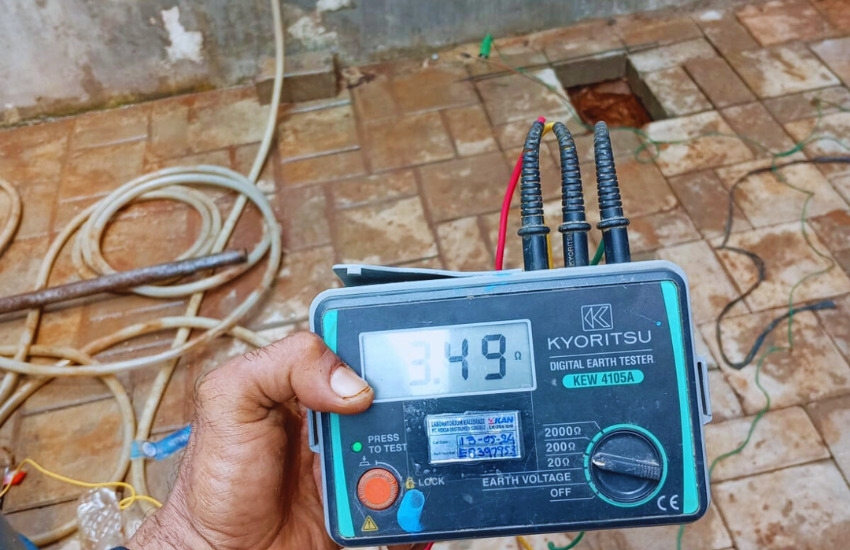
Lack of Maintenance: Ground resistance should be tested regularly to ensure continued performance.
So, why should lightning protection systems be grounded properly and maintained? Because even a grounded system can fail if not executed or maintained correctly.
Why Should Lightning Protection Systems Be Grounded?
In conclusion, why should lightning protection systems be grounded? Because without grounding, the system cannot fulfill its basic function—to protect life and property from the devastating impact of lightning.
Grounding is not just an optional add-on—it is the foundation of any lightning protection strategy. Whether you’re protecting a house, a factory, a skyscraper, or a data center, grounding ensures the lightning energy safely finds its way into the earth, instead of into your walls, your wiring, or worse—into someone’s body.
So before the next storm rolls in, ask yourself: Is my lightning protection system grounded? If not, it’s time to act—because only a grounded system can give you real peace of mind.

Want to learn unique facts about why should lightning protection systems be grounded or another information about lightning protection solutions?
Visit www.plasmacurrent.id or contact us at +62819-9754-2715